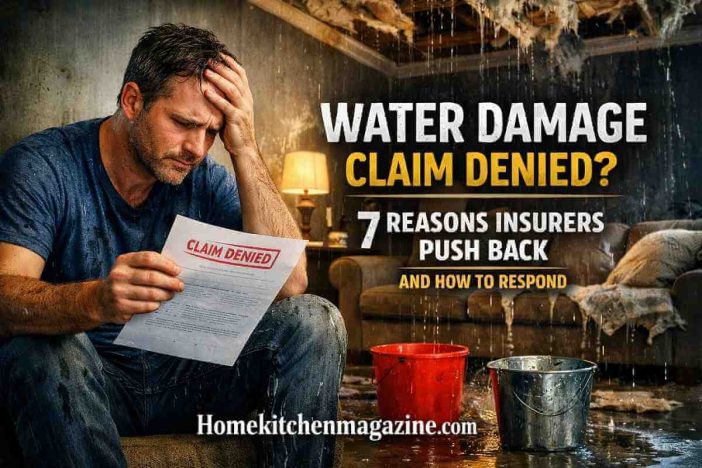
The water is gone. The damage is visible. The claim has been filed.
And then the email arrives.
“After review, your claim has been denied.”
This is where most homeowners feel blindsided—not by the damage, but by the decision.
Because the expectation is simple:
Damage happened → insurance pays.
But homeowners insurance doesn’t work on outcomes.
It works on conditions.
Understanding why a water damage claim denied happens is not about arguing with insurers. It’s about understanding their logic—and responding with precision.
Let’s break down the exact reasons insurers push back—and how to counter each one.
Why Water Damage Claims Get Denied More Often Than Expected
In most cases, denial is not random.
It is based on:
- Policy wording
- Evidence of maintenance (or lack of it)
- Timeline of damage
- Condition of components
This connects directly to how insurers interpret:
“Sudden vs Gradual”, as explained in
Homeowners Insurance And Water Damage: What Counts As Sudden vs Gradual
Now we go deeper into the exact triggers.
Reason #1 — The Damage Was Classified As “Gradual”
What Insurers Say
The damage occurred over time and was not sudden.
Common Scenario
- Slow leak under sink
- Moisture buildup behind appliances
- Long-term corrosion
Why This Leads To Denial
Policies often exclude:
- Continuous seepage
- Wear and tear
- Deterioration
How To Respond
- Provide timeline evidence (photos, timestamps)
- Show recent inspection logs
- Demonstrate no prior visible issue
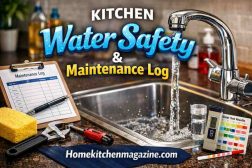
- Using documentation like the Kitchen Water Safety Maintenance Log strengthens your position.
Reason #2 — Lack Of Maintenance Evidence
What Insurers Say
The damage resulted from neglect or lack of maintenance.
Common Scenario
- Old braided supply lines (10+ years)
- Corroded shut-off valves
- Visible wear ignored
Why This Leads To Denial
Insurance is not a maintenance replacement system.
How To Respond
- Show maintenance schedule
- Provide replacement records
- Document inspection frequency
Reference your adherence to systems like
Kitchen Plumbing Maintenance Schedule: A 12-Month Preventive Calendar
Reason #3 — Pre-Existing Damage Was Found
What Insurers Say
Damage existed before the reported incident.
Common Scenario
- Old water stains
- Mold behind cabinets
- Long-standing moisture
Why This Leads To Denial
Insurance covers events—not existing conditions.
How To Respond
- Provide before/after photos
- Show recent inspection logs
- Highlight sudden event trigger
Inspection consistency is critical here.
Inspection history can help distinguish an isolated incident from a long-standing condition. Understanding how home inspectors evaluate water damage provides insight into the evidence insurers may also consider when reviewing previous moisture events.
Reason #4 — Delay In Reporting The Claim
What Insurers Say
The claim was reported too late.
Common Scenario
- Leak discovered but not reported immediately
- Waiting to assess damage before filing
Why This Leads To Denial
Delay increases:
- Damage spread
- Mold risk
- Cost exposure
How To Respond
- Document discovery timeline
- Show immediate mitigation steps
- Provide plumber/emergency response records
Timing is part of credibility.
Reason #5 — Source Of Water Is Not Covered
What Insurers Say
The source falls outside policy coverage.
Common Scenario
- Sewer backup
- Floodwater intrusion
- Groundwater seepage
Why This Leads To Denial
Different policies cover different water sources.
How To Respond
- Verify policy type (home vs flood vs sewer rider)
- Request detailed explanation of denial
- Clarify classification of water source
Not all water damage is equal in policy terms.
Reason #6 — Mold Exclusion Or Limitation
What Insurers Say
Mold damage exceeds coverage or is excluded.
Common Scenario
- Leak leads to mold after several days
- Moisture not addressed quickly
Why This Leads To Denial
Mold is often:
- Limited
- Capped
- Conditionally covered
How To Respond
- Show rapid response timeline
- Provide drying/mitigation records
- Demonstrate cause originated from covered event
Mold coverage depends heavily on initial cause.
Reason #7 — Insufficient Documentation
What Insurers Say
There is not enough evidence to support the claim.
Common Scenario
- No photos
- No maintenance records
- No installation dates
Why This Leads To Denial
Claims require proof—not assumptions.
Building a reliable paper trail before problems occur is often easier than recreating one afterward. A structured system for documenting home maintenance for insurance claims can significantly improve the credibility of future submissions.
How To Respond
- Provide structured documentation
- Include inspection logs
- Submit repair history
This is where tools like:
become powerful—not optional.
The Real Pattern Behind Most Claim Denials
After analyzing multiple cases, one pattern emerges:
Claims are not denied only because of damage.
They are denied because of weak documentation.
Documentation gaps affect more than insurance outcomes. Missing records can also increase buyer uncertainty and influence negotiations, particularly when previous leaks become visible during a future home sale.
Insurers evaluate:
- Was the event sudden?
- Was maintenance reasonable?
- Was response timely?
If any of these fail, denial becomes more likely.
Practical Response Strategy After A Claim Denial
If your water damage claim is denied:
Step 1 — Request Full Explanation
Ask for:
- Specific policy clause
- Exact reason for denial
Step 2 — Gather Evidence
Compile:
- Photos (before & after)
- Maintenance records
- Replacement history
- Inspection logs
Step 3 — Submit Reconsideration
Present:
- Timeline
- Supporting documentation
- Clarification of sudden vs gradual
Step 4 — Consider Independent Assessment
- Licensed plumber report
- Independent adjuster review
Objective third-party evaluation strengthens your case.
Independent assessments may also uncover issues that later appear as inspection concerns during resale transactions, especially when unresolved moisture becomes a perceived risk rather than a repair issue.
Expert Insight: Prevention Is The Strongest Defense
From a systems perspective:
The strongest claims are built before damage happens.
Homes that maintain:
- Replacement schedules
- Inspection documentation
- Leak detection systems
have significantly stronger claim positions.
Preventive records offer another advantage. They help homeowners explain subtle moisture indicators that buyers often interpret negatively, even when damage has already been repaired successfully.
This ties directly into financial risk reduction outlined in
Kitchen Water Damage Cost Breakdown: What Insurance Doesn’t Tell You
Insurance decisions rarely depend on a single invoice, photograph, or repair receipt. They emerge from a broader pattern of maintenance behavior, inspection readiness, response speed, and evidence quality.
FAQ – People Also Ask
Why Was My Water Damage Claim Denied?
Common reasons include gradual damage, lack of maintenance, and insufficient documentation.
Can I Appeal A Denied Insurance Claim?
Yes. Most insurers allow reconsideration with additional evidence.
Does Insurance Cover Slow Leaks?
Usually not. Slow leaks are often classified as gradual damage.
How Can I Strengthen Future Claims?
Maintain inspection logs, replace aging components, and document all maintenance.
Water-related insurance outcomes are closely connected to inspection findings, maintenance history, and long-term property confidence. Documentation reduces uncertainty for insurers today and for buyers tomorrow.
Wrapping Up: Claims Are Won Before They Are Filed
A water damage claim denied is rarely about one moment.
It’s about the story behind that moment.
Insurance decisions are based on:
- Timing
- Maintenance behavior
- Evidence
Homeowners who:
- Document inspections
- Replace components proactively
- Respond quickly to leaks
don’t just reduce damage.
They increase the probability of claim approval.
The same records frequently support stronger buyer confidence years later, because documented repairs are easier to understand and negotiate than unexplained stains or incomplete maintenance histories.
Insurance is not just protection.
It is a system that rewards discipline.
Build the system before you need the claim.
Reference
This claim analysis aligns with:
- Insurance Information Institute guidance on water damage claims
- InterNACHI inspection standards on plumbing risk
Both emphasize documentation and timely response.