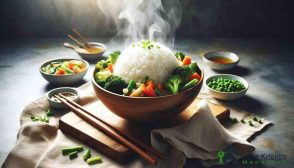
Thai jasmine rice is more than just a staple in Thai cuisine; it’s a fragrant, flavorful grain that can elevate any meal. Known for its delicate aroma and soft, slightly sticky texture, this rice variety is a favorite among chefs and home cooks alike. Whether you’re preparing a simple stir-fry or an elaborate Thai feast, Thai jasmine rice is the perfect accompaniment that will leave your taste buds craving for more.
Imagine the enticing aroma of freshly cooked Thai jasmine rice wafting through your kitchen, drawing everyone to the table. This versatile grain not only enhances the flavors of your dishes but also adds a touch of elegance to your meals. In this article, we’ll explore the origins, benefits, and cooking techniques of Thai jasmine rice, ensuring you can make the most of this delightful ingredient.
What Is Thai Jasmine Rice?
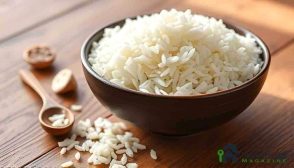
Thai jasmine rice, also known as Khao Hom Mali, is an aromatic long-grain rice native to Thailand. Each grain is about four times as long as it is wide, and when cooked, it offers a soft and slightly sticky texture, making it perfect for a variety of dishes. Its natural fragrance, reminiscent of pandan leaves, adds a subtle yet distinct flavor to meals.
The Origins of Thai Jasmine Rice
Thai jasmine rice has a rich history that dates back centuries. Originating in Thailand, this rice variety is known for its unique fragrance, which is reminiscent of pandan leaves and popcorn. The rice is primarily grown in the northeastern region of Thailand, where the climate and soil conditions are ideal for cultivating this aromatic grain.
The name “jasmine” comes from the rice’s delicate floral aroma, which is similar to the scent of jasmine flowers. This fragrance is due to the presence of a natural compound called 2-acetyl-1-pyrroline. The rice is harvested once a year, and the freshest grains are highly prized for their superior taste and aroma.
Nutritional Profile of Thai Jasmine Rice
Understanding the nutritional content of Thai jasmine rice can help you make informed dietary choices. Here’s a breakdown per 1/4 cup (50g) serving:
- Calories: Approximately 180
- Carbohydrates: Around 39g
- Protein: About 3g
- Fat: 0g
This rice is predominantly composed of carbohydrates, providing a quick source of energy. It contains minimal fat and a modest amount of protein. While white jasmine rice is processed and has lower fiber content, opting for brown jasmine rice can increase fiber intake, aiding in digestion and providing a more sustained energy release.
Culinary Uses of Thai Jasmine Rice
Thai jasmine rice’s versatility makes it a favorite in various cuisines, especially in Southeast Asian dishes. Here are some popular ways to enjoy this fragrant grain:
- Steamed Jasmine Rice: A classic accompaniment to Thai curries and stir-fries.
- Fried Rice: Utilize leftover jasmine rice to create flavorful fried rice with vegetables, proteins, and sauces.
- Rice Salads: Incorporate cooked and cooled jasmine rice into salads for a hearty and aromatic base.
- Rice Pudding: Transform jasmine rice into a sweet dessert by cooking it with coconut milk and sweeteners.
Its subtle flavor allows it to pair well with a variety of ingredients, enhancing both simple and complex dishes.
How to Cook Thai Jasmine Rice
Achieving the ideal texture for Thai jasmine rice involves proper technique. Here’s a simple stovetop method:
- Rinse the Rice: Place the desired amount of rice in a bowl and rinse under cold water until the water runs clear. This removes excess starch and prevents clumping.
- Measure Water: Use a ratio of 1 part rice to 1.25 parts water. For example, for 1 cup of rice, add 1.25 cups of water.
- Boil and Simmer: Bring the water to a boil over medium-high heat. Once boiling, reduce the heat to low, cover the pot with a tight-fitting lid, and let it simmer for about 12 minutes.
- Rest and Fluff: After cooking, remove the pot from heat but keep it covered for an additional 10 minutes. This allows the rice to steam and achieve a fluffy texture. Finally, uncover and gently fluff the rice with a fork before serving.
For those using rice cookers, the same water-to-rice ratio applies. Simply add the rinsed rice and water to the cooker and follow the manufacturer’s instructions.
For those who want to achieve the perfect texture when cooking Thai jasmine rice, mastering the right stovetop method is essential. Whether you prefer a fluffy or slightly sticky consistency, the right water-to-rice ratio and cooking technique make a big difference. Check out this detailed guide on how to cook rice on the stove to ensure your Thai jasmine rice turns out perfectly every time.
Pairing Thai Jasmine Rice with Your Favorite Dishes
Thai jasmine rice is incredibly versatile and pairs well with a variety of dishes. Here are some popular pairings:
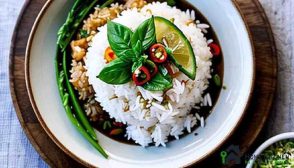
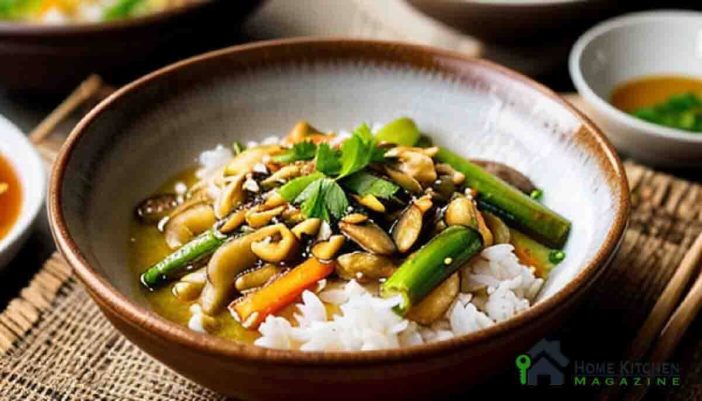
- Thai Curries: The fragrant rice complements the rich, spicy flavors of Thai curries, such as green curry, red curry, and massaman curry.
- Stir-Fries: Serve Thai jasmine rice alongside stir-fried vegetables, tofu, or meat for a quick and satisfying meal.
- Grilled Meats: The subtle sweetness of the rice enhances the smoky flavors of grilled chicken, beef, or pork.
- Seafood: Pair the rice with seafood dishes like shrimp, fish, or squid for a delightful combination of flavors.
Health Considerations
While Thai jasmine rice is a delightful addition to many meals, it’s essential to consume it in moderation, especially for individuals monitoring their carbohydrate intake. Opting for whole-grain varieties, such as brown jasmine rice, can provide additional nutrients and fiber, contributing to a balanced diet.
Wrap It Up
Thai jasmine rice is a versatile and flavorful grain that can elevate any meal. Its unique fragrance, soft texture, and nutritional benefits make it a favorite among chefs and home cooks alike. Whether you’re pairing it with Thai curries, stir-fries, grilled meats, or seafood, Thai jasmine rice is sure to impress your taste buds and enhance your dining experience.