

Full-size induction cooktops often need a dedicated 208- or 240-volt circuit, but amperage and connection requirements vary by model. Use this pre-purchase framework to check the cooktop, existing circuit, and panel before installation day.
When Should You Upgrade Your Kitchen Electrical Panel? Signs It’s Time for an Upgrade

Adding new appliances doesn’t always require a new electrical panel. Learn the warning signs, planning considerations, and when a panel upgrade may be worth discussing with a licensed electrician.
How Much Electrical Capacity Does a Modern Kitchen Really Need?

Today’s kitchens use far more electricity than kitchens built decades ago. Learn how to evaluate capacity, appliance demand, and future electrical needs before problems appear.
Kitchen Outlet Safety: 10 Mistakes to Avoid

Learn 10 kitchen outlet safety mistakes, warning signs of overheating or damage, when to stop using a receptacle, and when electrical evaluation is appropriate.
GFCI vs AFCI in Kitchens: What’s the Difference and Why Both Matter?
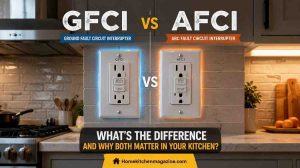
GFCI and AFCI solve different electrical hazards. Learn what each device protects against, where they are commonly used, and why modern kitchens often rely on both.
Kitchen Circuit Overload Warning Signs: 10 Problems You Should Never Ignore

Kitchen overloads rarely begin with flames. Learn the warning signs that appear first, what they may indicate, and when to stop using a circuit and call an electrician.
Dedicated Kitchen Circuits: Which Appliances Need Their Own?

Not every kitchen appliance needs a dedicated circuit, but high-demand and fixed appliances often do. Learn how load, voltage, code, and manufacturer instructions determine the right circuit.
Kitchen Electrical Load Planning for Modern Homes ✦

Plan kitchen electrical loads before adding appliances. Learn how circuits, appliance demand, panel capacity, and future upgrades should be evaluated together.