A soft hush settles across the living room as you press your palm against the cool ceramic pot of a bold, glossy-leafed plant. You inhale—just a little—and feel a subtle shift: the stale after-cooking heat, the faint chemical tang of cleaning sprays, even the heavy settled dust of closed windows slip away. In that moment, you’re not just watering another houseplant: you’re inviting a quiet, living filtration system into your home.
In a world where we spend an estimated 90 % of our time indoors, the invisible world of indoor air has never mattered more. Pollutants drift from furniture glues, household sprays, plastic-wrapped packaging, and sealed windows. The idea that you can combat them with something beautiful, leafy, and alive feels almost poetic. Enter Best indoor plants for air purification—green companions that promise not only freshness but transformation.
Let’s pause the romanticism for a moment and ask: do these plants truly deliver on that promise? Are they the secret weapon in improving indoor air, or simply decorative mood-boosters? The truth lies somewhere between both. Tonight, we’re going to dig deep: look at what the science says, pick the best green allies, and learn how to use them smartly—not as miracles, but as part of a healthier-indoor strategy.
Understanding What “Purification” Really Means
The Origins: A Space-Era Experiment
In 1989, a NASA Clean Air Study found that certain potted plants in sealed, controlled environments could remove VOCs such as benzene, trichloroethylene, and formaldehyde. The results were dazzling in a lab context—plants like the Spider Plant, Snake Plant, and English Ivy showed significant removal rates in sealed chambers.
Reality Check: Scaling to Real-Life Living Rooms
However, later research found that the real-world impact is much lower. Studies revealed you’d need 10–1,000 plants per square metre to match the air exchange rate of normal ventilation. Still, smaller measurable effects are possible, especially when plants are healthy, well-placed, and numerous.
What We Can Say with Confidence
- Indoor plants can reduce VOC levels in controlled settings.
- In ordinary homes, their purification effect is modest.
- Yet they improve humidity, comfort, focus, and emotional well-being—benefits that are scientifically supported.
When we talk about the Best indoor plants for air purification, we’re looking for plants that maximize benefits while staying realistic and easy to maintain.
According to the United States Environmental Protection Agency (EPA), indoor air can sometimes be more polluted than outdoor air due to everyday household sources like cleaning products, paints, and synthetic materials. Understanding how indoor environments affect health helps us choose smarter solutions—like combining proper ventilation with Best indoor plants for air purification. The EPA provides practical tips on reducing pollutants and improving air circulation at home. Learning from their guidance ensures your green space supports long-term wellness.
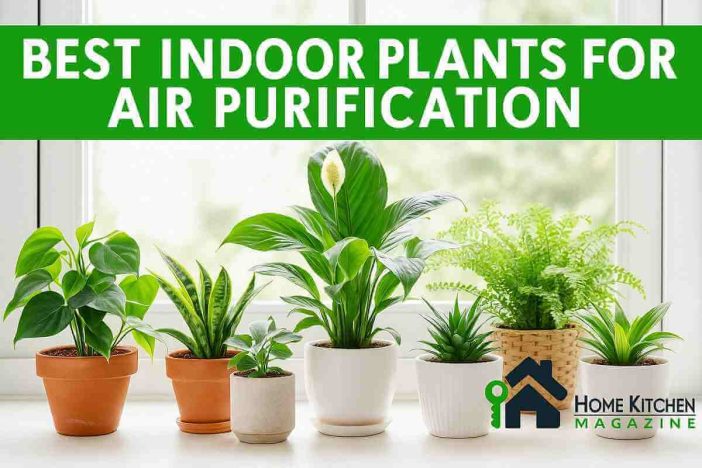
Top 7 Plants That Earn Their Place
1. Snake Plant (Sansevieria trifasciata)
Often called “mother-in-law’s tongue,” this hardy plant tolerates neglect and low light. It helps remove formaldehyde, benzene, xylene, and toluene in tests.
Actionable Tip: Place one in a bedroom or dim corner. Let it dry between waterings.
Why It’s Good: Almost indestructible; survives offices and apartments alike.
Caution: Pair with good ventilation for the best results.
2. Spider Plant (Chlorophytum comosum)
With its arching leaves, the Spider Plant is ideal for kitchens and bathrooms. It’s known to absorb pollutants and increase oxygen.
Actionable Tip: Keep soil moist and place near indirect light.
Why It’s Good: It propagates easily—great for sharing or clustering.
3. Peace Lily (Spathiphyllum wallisii)
The Peace Lily’s lush leaves and white flowers make it one of the most stylish indoor air quality plants. It helps reduce VOCs and mold spores.
Actionable Tip: Keep soil evenly moist and give filtered light.
Why It’s Good: Combines elegance and air-refreshing qualities.
Caution: Toxic to pets—place high if you have cats or dogs.
If you’re dealing with rooms that lack sunshine, be sure to check out our list of 15 indoor plants for low light—many of the same species featured here in the best indoor plants for air purification article also perform well in dim spaces.
4. Dracaena (Dracaena marginata / reflexa)
Known as the “Madagascar Dragon Tree,” Dracaena varieties can absorb formaldehyde and trichloroethylene.
Actionable Tip: Use in corners or beside desks. Wipe leaves occasionally.
Why It’s Good: Adds height and texture; perfect for modern décor.
5. English Ivy (Hedera helix)
This trailing beauty thrives in indirect light and has been shown to remove toxins from the air in older studies.
Actionable Tip: Hang it or let it climb shelves and walls.
Why It’s Good: A natural accent plant for small apartments.
6. Weeping Fig (Ficus benjamina)
A decorative tree that performs well in bright rooms. It can absorb airborne formaldehyde and provide shade and calmness.
Actionable Tip: Keep near windows and avoid sudden temperature changes.
Why It’s Good: Perfect for larger rooms; elegant and commanding.
7. Ferns (e.g., Boston or Japanese Royal Fern)
Ferns are known moisture lovers that can reduce formaldehyde levels and boost humidity naturally.
Actionable Tip: Best for humid rooms like bathrooms.
Why It’s Good: Adds lush green vibrance while improving comfort.
Realistic Expectations: What These Plants Will And Will Not Do
What They Will Do
- Create a calming, green environment that reduces stress.
- Increase indoor humidity, aiding comfort and skin health.
- Contribute to perceived freshness and oxygen levels.
What They Won’t Do
- Replace ventilation or HEPA filters.
- Eliminate particulate matter efficiently on their own.
Setting Realistic Goals
Think of your green plants as supportive allies, not miracle workers. Combine them with:
- Proper ventilation (open windows daily).
- Low-VOC materials in furniture and paint.
- An air purifier for allergy-sensitive households.
- Regular cleaning of leaves and soil.
How to Make Your Green Setup Work Harder
Choose Larger Pots and Group Plants
More leaf surface equals more absorption potential. Pair two or three medium-sized plants in one room.
Use Active Placement
Position plants near pollutant sources—like near cooking areas or painted walls. Gently circulate air with fans for better contact.
Mind Watering and Soil Health
Healthy roots and microbes improve natural filtration. Avoid overwatering or stagnant pots that could grow mold.
Use Mixed Species
Combining air purification plants like ferns, snake plants, and spider plants helps cover a broader range of pollutants.
Monitor Indoor Conditions
Keep humidity between 40–60 %. Clean dust from leaves weekly. Track air freshness with an indoor air sensor for awareness.
To boost your home’s greenery in a sustainable way, you might also enjoy our guide on eco-friendly indoor gardening practices, which pair perfectly with the best indoor plants for air purification framework.
A Quick Room-by-Room Guide
Living Room
Use tall plants like Weeping Fig or Dracaena in corners. Add Spider Plants for a soft accent.
Bedroom
Place Snake Plants near beds for low-maintenance, night-time oxygen release.
Kitchen
Hang Ivy or Pothos above cabinets to catch cooking-related fumes.
Bathroom
Set a fern near the sink or tub—moisture keeps it lush and thriving.
Since many of the best indoor plants for air purification double as kitchen-ready greenery, you may also want to browse our curated list of the best kitchen plants to find the perfect match for your cooking space.
Common Questions
Will these plants remove all toxins?
No, they support a cleaner environment but don’t fully replace air filters or ventilation.
How many should I keep?
For visible improvement, start with three to five healthy plants per main room.
Which are safest for pets?
Snake Plants, Peace Lilies, and Ivy are toxic to pets; go for Spider Plants or ferns instead.
Do they improve mood and focus?
Yes! Multiple studies link indoor greenery to reduced stress and better productivity.
Final Takeaway
In the quest for clean air, your plants are more than decoration—they’re nature’s gentle companions. Investing in Best indoor plants for air purification means choosing a lifestyle that values health, beauty, and balance.
Every pot you place, every leaf you dust, contributes to a fresher, calmer space. Combine these green allies with mindful living, and you’ll build not just a cleaner home—but a sanctuary that breathes with you.