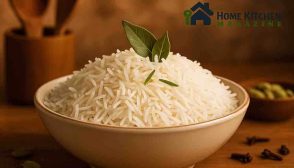
Basmati rice nutrition is a topic that deserves attention, especially for those who prioritize health and balanced diets. Known for its fragrant aroma and delicate texture, basmati rice is a popular choice worldwide. But beyond its culinary appeal lies a wealth of nutrients that make it a standout grain in terms of health benefits. If you’re curious about what makes basmati rice so nutritious, this article will uncover everything you need to know.
Basmati Rice Nutrition
Detailed Nutritional Profile of Basmati Rice
When we talk about basmati rice nutrition, we refer to its unique combination of macronutrients and micronutrients that contribute to a healthy diet. Here’s a detailed look at the nutritional components of one cup of cooked basmati rice (approximately 150 grams):
| Nutrient | Amount | % Daily Value |
|---|---|---|
| Calories | 205 kcal | 10% |
| Carbohydrates | 45 g | 15% |
| Protein | 4 g | 8% |
| Total Fat | 0.4 g | <1% |
| Fiber | 1 g | 4% |
| Magnesium | 19 mg | 5% |
| Phosphorus | 55 mg | 6% |
| Thiamine (Vitamin B1) | 0.1 mg | 10% |
| Iron | 0.3 mg | 2% |
Let’s break down these nutrients further to understand their significance for your health.
Macronutrients in Basmati Rice
1. Calories and Carbohydrates
Basmati rice is a great source of energy, with most of its calories coming from carbohydrates. Carbohydrates are essential for providing the fuel your body needs to perform daily activities. The low glycemic index (GI) of basmati rice ensures that the energy is released slowly, preventing spikes in blood sugar levels.
- Complex Carbohydrates: Unlike refined grains, basmati rice contains complex carbohydrates that support prolonged energy release.
- Energy Sustenance: This makes it ideal for athletes, busy professionals, and anyone looking for sustained energy throughout the day.
2. Protein
While basmati rice isn’t a protein powerhouse, its 4 grams of protein per cup contribute to your daily protein needs. This protein aids in cell repair, muscle building, and overall body maintenance.
- Pairing Tip: Combine basmati rice with legumes or lean proteins like chicken to create a complete amino acid profile in your meals.
3. Low in Fat
Basmati rice contains negligible fat, making it a heart-healthy option for those managing cholesterol levels or aiming for weight control. Its naturally low fat content ensures you can enjoy this grain without worrying about added calories from fat.
If you’re looking for the perfect way to cook long-grain rice like basmati, check out this comprehensive guide: How to Cook Long Grain Rice. It covers everything from rinsing techniques to cooking tips, ensuring that your basmati rice is always light, fluffy, and perfectly cooked
Micronutrients in Basmati Rice
1. Fiber
Though basmati rice is not as fiber-rich as whole grains like brown rice, it still provides 1 gram of fiber per serving. Fiber is essential for:
- Supporting healthy digestion.
- Promoting a feeling of fullness, which can help with weight management.
- Stabilizing blood sugar levels.
Opting for brown basmati rice will give you even more fiber, further enhancing its digestive benefits.
2. Thiamine (Vitamin B1)
Basmati rice is an excellent source of thiamine, with 10% of your daily value per cup. Thiamine plays a crucial role in:
- Energy metabolism, helping your body convert food into energy.
- Supporting nerve function and preventing deficiencies like beriberi.
3. Magnesium
Magnesium is vital for various bodily functions, including muscle contractions and nerve signaling. A single serving of basmati rice provides 5% of your daily magnesium requirement.
- Bone Health: Magnesium works with calcium to maintain strong bones.
- Heart Health: It also plays a role in regulating heart rhythm and blood pressure.
4. Phosphorus
Phosphorus is another important mineral found in basmati rice. It supports:
- Healthy bones and teeth.
- Energy storage and utilization in the body.
Comparing White and Brown Basmati Rice Nutrition
The choice between white and brown basmati rice often comes down to nutritional preferences. Here’s a quick comparison of their key nutritional differences:
| Nutrient | White Basmati Rice | Brown Basmati Rice |
|---|---|---|
| Calories | 205 kcal | 215 kcal |
| Carbohydrates | 45 g | 44 g |
| Fiber | 1 g | 3.5 g |
| Protein | 4 g | 5 g |
| Magnesium | 19 mg | 55 mg |
- Brown Basmati Rice: Retains the bran and germ, offering higher fiber, magnesium, and other nutrients.
- White Basmati Rice: Easier to digest and quicker to cook, but lower in fiber and micronutrients.
For a deeper dive into what makes basmati rice so special, including its varieties and unique qualities, explore this detailed article about basmati rice.
Is Basmati Rice Healthy?
Yes, basmati rice can fit comfortably into a balanced diet, but whether a meal is healthy depends on more than the type of rice alone. Portion size, whether you choose white or brown basmati, and what you serve with it all matter.
- Choose brown basmati for more fiber: Because the bran and germ remain intact, brown basmati generally provides more fiber and minerals than white basmati.
- Keep portions practical: Rice is mainly a carbohydrate food, so serving size should reflect the rest of the meal rather than treating rice as the entire meal.
- Pair it with protein and vegetables: Combining basmati rice with beans, lentils, eggs, fish, poultry, tofu, or vegetables creates a more balanced plate.
- Consider the whole meal: Blood-sugar response and fullness are affected by portion size, cooking method, fiber, protein, fat, and the other foods eaten with the rice.
White basmati can still be part of a nutritious diet, while brown basmati may be preferable when extra fiber is the priority. Rather than labeling one rice as universally “healthy” or “unhealthy,” it is more useful to consider how it fits into your overall eating pattern.
Wrap It Up
Understanding basmati rice nutrition is key to appreciating its value in a healthy diet. With its balanced macronutrient profile and rich micronutrient content, basmati rice is more than just a delicious grain; it’s a wholesome addition to meals that supports energy, digestion, and overall wellness.