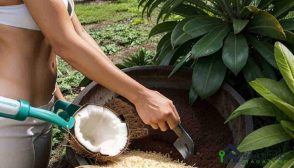
When you think about coconuts, what comes to mind? Maybe a refreshing tropical drink or a tasty snack. But did you know that coconuts, especially coconut pulp, play a huge role in permaculture and sustainable landscaping? That’s right—this humble byproduct of coconut processing has immense potential for creating eco-friendly, resilient systems in agriculture and landscaping. In this article, we’ll dive deep into how coconut pulp can transform your garden and contribute to a more sustainable future.
Nice Read : coconut pulp as fertilizer
What is Coconut Pulp?
Coconut pulp, also known as coconut coir or coconut fiber, is the fibrous material found inside the coconut husk. Once the coconut water and meat have been harvested, the remaining pulp is often seen as waste. But, in reality, it’s a versatile, organic material that can be repurposed for various agricultural and landscaping uses.
Why is Coconut Pulp Important in Permaculture?
Permaculture focuses on creating sustainable and self-sufficient agricultural ecosystems. The principles of permaculture aim to mimic nature, reducing waste and utilizing resources efficiently. Coconut pulp fits perfectly into these principles as it’s a natural, biodegradable material that helps improve soil health, water retention, and plant growth—all key aspects of a thriving permaculture system.
Coconut Pulp as a Soil Amendment
Enhances Soil Structure
One of the best ways coconut pulp benefits permaculture is by improving soil structure. Coconut coir helps aerate the soil, allowing roots to penetrate more easily. This means plants can grow healthier and more robust.
Boosts Water Retention
Have you ever noticed how coconuts stay juicy even in dry conditions? That’s because coconut pulp has excellent water retention capabilities. When mixed into soil, coconut pulp can hold moisture for longer periods, which is a lifesaver in drought-prone areas or water-scarce regions.
Organic Mulch for Sustainable Landscaping
Mulching is an essential practice in sustainable landscaping. It helps retain soil moisture, suppress weeds, and regulate soil temperature. Coconut pulp makes for an ideal organic mulch material because it’s biodegradable, lightweight, and easy to spread. Plus, it breaks down slowly, providing nutrients to the soil over time.
Weed Suppression
Tired of battling weeds in your garden? Using coconut pulp as mulch creates a barrier that reduces sunlight reaching weed seeds, making it harder for them to sprout. This natural weed suppression method saves you time and effort while keeping your landscaping chemical-free.
Temperature Regulation
Coconut pulp acts as insulation for the soil, helping to keep it cool during hot weather and warm during colder seasons. This not only protects plant roots from temperature extremes but also enhances their overall health.
Coconut Pulp in Composting
Composting is another cornerstone of permaculture, and coconut pulp can play a vital role in creating rich, nutrient-dense compost. When added to a compost pile, coconut pulp helps balance the carbon-to-nitrogen ratio, which is critical for successful decomposition.
Carbon-Rich Material
Coconut pulp is rich in carbon, making it an excellent “brown” material for composting. It balances out the “green” materials (such as food scraps) to ensure that your compost pile decomposes properly.
Aeration in the Compost Pile
Because of its fibrous nature, coconut pulp helps aerate compost piles, preventing them from becoming too compacted. This improves oxygen flow and speeds up the composting process.
Coconut Pulp in Water Conservation Efforts
Reducing Water Use in Agriculture
With increasing concerns about water scarcity, finding ways to reduce water usage is more critical than ever. Coconut pulp’s ability to retain moisture makes it an excellent addition to agricultural practices, allowing farmers to use less water without compromising crop health.
Irrigation Efficiency
By incorporating coconut pulp into the soil, farmers can significantly improve irrigation efficiency. The pulp holds onto water, reducing the need for frequent watering while ensuring that plants still receive the moisture they need.
Drought-Resistant Landscaping
If you live in a region prone to droughts, coconut pulp can help you create a drought-resistant landscape. By using it as a mulch or soil amendment, you can reduce your water consumption and keep your garden thriving, even during dry spells.
Coconut Pulp for Erosion Control
Soil erosion is a major issue in many parts of the world, especially in areas with poor land management practices. Coconut pulp can be a valuable tool in preventing erosion and promoting soil conservation.
Stabilizing Slopes
When used on slopes or in areas prone to erosion, coconut pulp helps stabilize the soil by absorbing moisture and providing structure. It prevents soil from washing away during heavy rains, protecting both your landscape and the surrounding environment.
Rehabilitating Degraded Lands
In permaculture, rehabilitating degraded land is a key practice. Coconut pulp can be used to improve soil quality, promote plant growth, and restore ecosystems that have been damaged by deforestation, agriculture, or urban development.
Coconut Pulp as a Natural Pest Control
Another sustainable benefit of coconut pulp is its ability to deter pests. While it doesn’t directly kill pests, it creates conditions that are less favorable for them.
Reducing Habitat for Insects
When used as mulch or in compost, coconut pulp reduces the number of hiding spots for insects, especially those that thrive in moist or compacted soils. This can naturally lower pest populations in your garden.
Eco-Friendly Pest Barriers
Coconut pulp can also be used to create physical barriers around your plants, preventing certain pests from reaching them. This method is particularly effective for keeping away slugs and snails, which dislike crossing dry, fibrous material.
Coconut Pulp in Green Roof Systems
Green roofs are becoming increasingly popular as a way to reduce urban heat islands and promote biodiversity. Coconut pulp can be an integral part of these systems due to its lightweight nature and water retention properties.
Lightweight Growing Medium
In green roof systems, using heavy soil can be impractical. Coconut pulp provides a lightweight alternative that still supports plant growth. Its fibrous structure allows roots to spread and access nutrients easily.
Prolonged Moisture Retention
One of the challenges of green roofs is maintaining adequate moisture levels for plants. Coconut pulp helps by retaining water for longer periods, reducing the need for constant watering and ensuring that plants stay healthy.
Coconut Pulp in Urban Landscaping
Urban areas face unique challenges, such as limited green space and poor soil quality. Coconut pulp can help address these challenges by improving soil health and water retention in city landscapes.
Soil Improvement in Urban Gardens
Urban soil is often compacted and low in nutrients. By adding coconut pulp to these gardens, you can create a more hospitable environment for plants, improving their growth and overall health.
Rain Gardens and Stormwater Management
Rain gardens are designed to capture and filter stormwater runoff, and coconut pulp can play a crucial role in making these systems more effective. Its water retention capabilities help prevent water from pooling, reducing the risk of flooding and erosion in urban areas.
Conclusion
Coconut pulp is much more than just a byproduct—it’s a sustainable, eco-friendly resource that can transform permaculture and landscaping practices. Whether you’re looking to improve soil health, conserve water, or prevent erosion, coconut pulp offers a versatile and practical solution. Incorporating it into your garden or agricultural system not only benefits the environment but also supports healthier, more resilient plants.
So, the next time you crack open a coconut, don’t just enjoy the water or meat. Remember that the pulp has a world of potential waiting to be unlocked for a greener, more sustainable future.
FAQs
Q1: Can I use coconut pulp in all types of soil? Yes! Coconut pulp is suitable for various soil types, whether sandy, clayey, or loamy. It helps improve soil structure and water retention across the board.
Q2: How often should I replace coconut pulp mulch in my garden? Coconut pulp mulch can last anywhere from 6 months to a year, depending on weather conditions and the rate of decomposition. You may need to top it up periodically to maintain its benefits.
Q3: Is coconut pulp safe for vegetable gardens? Absolutely! Coconut pulp is a natural and non-toxic material, making it perfectly safe for use in vegetable gardens. It can improve soil health and support plant growth without introducing harmful chemicals.
Q4: Where can I buy coconut pulp for landscaping purposes? Coconut pulp is available at most garden centers or online retailers. Look for coconut coir or coconut fiber products designed specifically for gardening and landscaping.
Q5: Does coconut pulp attract pests like rodents? No, coconut pulp doesn’t typically attract pests like rodents. In fact, it can help deter certain pests, such as slugs and snails, when used as mulch or a soil amendment.