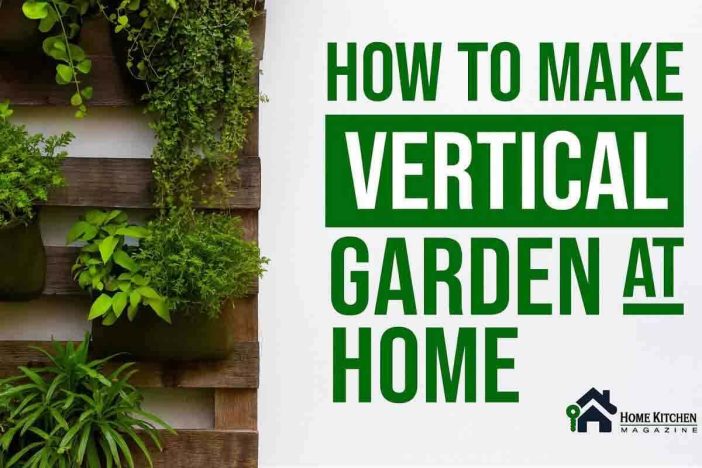
Have limited space but still want a refreshing green corner at home? A vertical garden is the perfect solution. Instead of spreading plants horizontally, you can grow them vertically on walls, wooden frames, or trellises. Besides saving space, vertical gardens also improve air quality, reduce heat, and make your home look more stylish. In this guide, we’ll walk through how to make vertical garden at home step by step, including the best structures, plant choices, and care tips to keep it thriving.
How to make vertical garden at home
1. Choosing the Right Structure for Your Vertical Garden
The first step is preparing a strong support structure. This is the backbone of your vertical garden and must be sturdy enough to hold soil, pots, and plants. Here are some common options:
- Wooden Trellis – Lightweight, easy to find, and perfect for climbing plants.
- Iron Pillar – Suitable if you only want to place a few plants in vertical rows.
- Tree Base – Let vines wrap around a tree for a natural vertical look.
- Wall Surface – A sturdy wall can serve as the main frame. Make sure it’s strong enough to hold pots and soil.
👉 If you prefer DIY, you can also build your own structure from wood. For example, create a 1.8m wooden frame box, add beams, drill holes for pots, and fill it with soil before planting vines.
2. How to Build a DIY Vertical Garden Frame
If store-bought frames don’t suit your style, you can make your own. A simple DIY version includes:
- Create a wooden box frame around 1.8m tall.
- Add horizontal beams for plant placement.
- Drill small holes for attaching pots or planting pockets.
- Secure the structure with screws to make it sturdy.
- Fill the boxes with fertile soil and compost.
- Plant climbing or trailing plants that will spread along the trellis.
💡 Tip: You can even attach birdhouses or decorative lights on top of the structure to make it multifunctional.
3. Best Plants for Vertical Gardens
Not every plant thrives in vertical planting. You need species that are adaptable, light, and easy to maintain. Some recommended plants are:
- Bougainvillea (paper flowers)
- Spider plant
- Morning glory
- Lipstick plant
- Ferns (e.g., deer horn fern)
- Succulents
- Chives & herbs (like basil or mint)
- Begonia
- Cryptanthus
👉 For indoor vertical gardens, choose plants that don’t require full sunlight, such as ferns and begonias. For outdoor walls, go for sun-loving species like bougainvillea or morning glory.
4. How to Plant a Vertical Garden Step by Step
Once the structure and plants are ready, follow these steps:
- Decide placement – Choose a wall or space that matches the plants’ sunlight needs.
- Fix the structure – Place it close to the wall or plant it firmly into the ground so it doesn’t collapse.
- Add soil and compost – Fill the containers or planting pockets with nutrient-rich medium.
- Plant carefully – Place seeds or seedlings at proper spacing (don’t overcrowd).
- Guide plant growth – Tie vines loosely to the trellis to direct their growth.
5. Caring for a Vertical Garden
Vertical gardens need special attention to thrive. Here are key maintenance tips:
🌱 Plant from Seeds vs Seedlings
- Seeds: Slower, but plants grow stronger since roots adapt early.
- Seedlings: Faster results but sometimes less resilient.
🌱 Use Special Planting Medium
Vertical gardens need soil that sticks well and doesn’t fall off easily. Many garden shops sell special vertical soil mix. Compost is the best natural fertilizer.
💧 Watering Systems for Vertical Garden
- Pipe system: Water flows through perforated pipes, evenly distributing moisture.
- Hose watering: Works, but risk of overwatering.
- Sprinkle/Drip irrigation (recommended): Provides even water distribution and saves water.
✂️ Pruning
Regular trimming keeps the garden neat. Don’t prune young shoots too harshly—only cut mature, overgrown leaves.
6. Additional Tips for Success
- Choose slow-growing plants if you’re busy, so trimming is less frequent.
- Avoid placing plants too close to prevent root competition.
- Place the vertical garden near a water source for easier maintenance.
- Combine ornamental plants with herbs for a beautiful and useful garden.
FAQs about Vertical Gardens
Can vertical gardens be made indoors?
Yes, just select shade-loving plants and ensure enough airflow.
How long do vertical gardens last?
With proper care, a well-built vertical garden can last for years.
Do vertical gardens attract pests?
They can, but regular pruning and proper watering reduce pest risk.
Can I grow vegetables in a vertical garden?
Yes, especially herbs, lettuce, and small leafy greens.
Wrap it Up
Creating a vertical garden at home is not just about aesthetics—it’s also a smart way to maximize space, reduce heat, and improve air quality. By choosing the right structure, plants, and care methods, you can enjoy a fresh and green environment even in limited spaces. Start small, experiment with different plants, and soon you’ll have your own personal green wall that transforms your home atmosphere.