How to make a small room look bigger is one of the most persistent questions in interior design, and for good reason. Many people assume that limited space can only be solved by renovation—removing walls, changing structures, or investing in costly remodeling.
In professional practice, the opposite is often true.
Rooms feel small not because of square meters, but because of how the eye is guided through space. After reviewing compact bedrooms, living rooms, and apartments across different layouts and budgets, a consistent pattern emerges: spaces that feel larger are not necessarily bigger—they are visually controlled.
This article explains the design logic behind that control. No demolition. No renovation. Only practical, repeatable decisions that change how space is perceived.
Quick Answer: How to Make a Small Room Look Bigger
To make a small room look bigger without renovation:
- Use properly scaled furniture with visible legs
- Layer lighting instead of relying on one ceiling light
- Keep color contrast low and consistent
- Open sightlines by reducing visual barriers
- Use correctly sized rugs to unify the space
- Minimize clutter with closed storage
These changes improve how the eye reads space, making the room feel larger without changing its actual size.
Why Small Rooms Feel Smaller Than They Are
Small rooms usually feel tight because multiple visual errors occur at once. Common causes include oversized furniture, poor lighting distribution, excessive contrast, and cluttered sightlines.
When these elements overlap, the brain reads the room as compressed. Correcting them restores balance and visual depth.
Start With Furniture Scale, Not Decoration
Furniture scale is the single most influential factor in small rooms.
Oversized furniture dominates visual space and restricts movement, even when the room itself is adequately sized.
Professional approach:
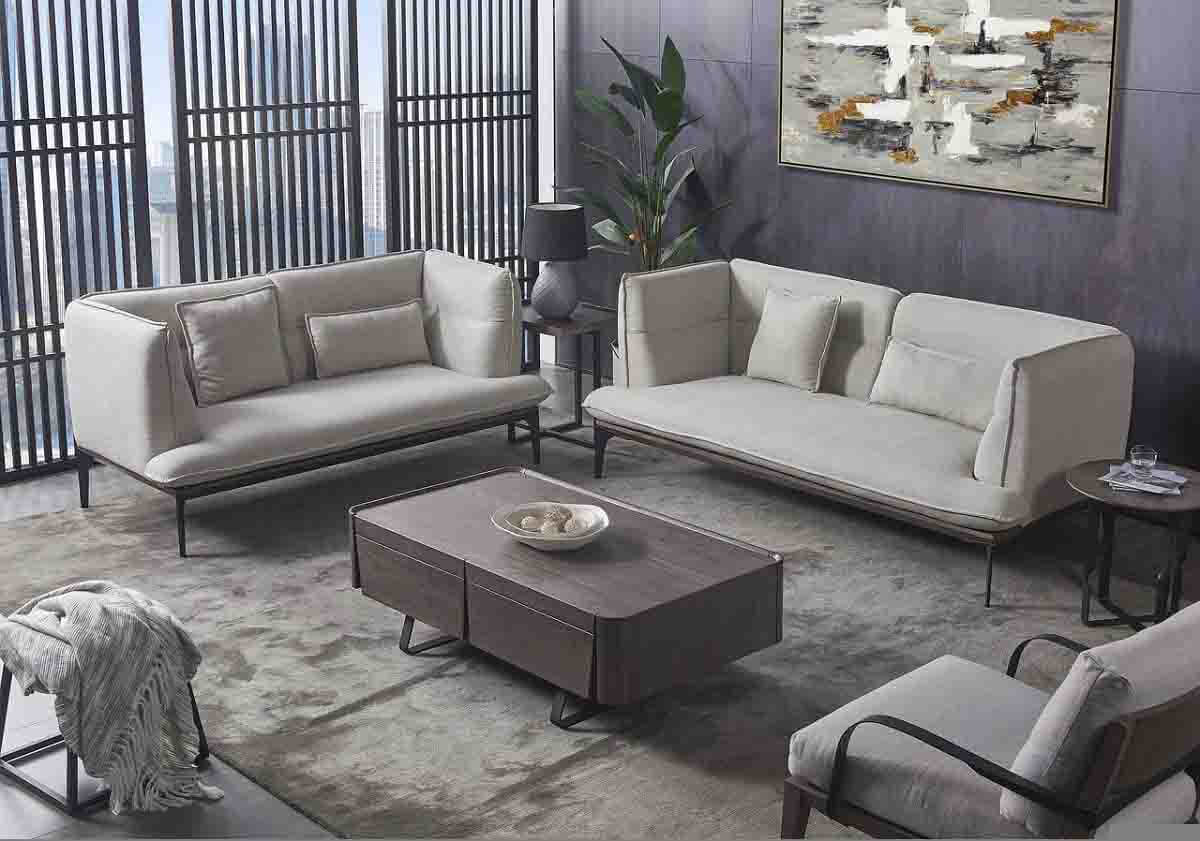
- Choose furniture with visible legs to create air beneath pieces
- Avoid deep sofas and bulky armchairs in narrow rooms
- Prioritize fewer, well-scaled items instead of many small ones
Designers plan circulation first, then choose furniture that fits the plan—not the other way around.
For sizing guidance, see best furniture for small spaces.
Use Lighting to Create Visual Depth
Lighting determines whether a room feels flat or layered.
Relying on a single ceiling light compresses space by creating harsh shadows and visual dead zones.
Effective lighting strategy includes:
- Ambient lighting for overall brightness
- Task lighting to support function
- Accent lighting to add depth and separation
Multiple light sources spread attention across the room, making it feel wider and calmer.
Control Color Contrast to Extend Space
Color influences how boundaries are perceived.
High contrast between walls, furniture, and floors breaks continuity and shortens visual depth. Low to moderate contrast allows the eye to travel smoothly.
Reliable color principles:
- Light neutral walls as a base
- Large furniture in similar tones to walls
- One controlled accent rather than multiple competing colors
Open Sightlines Wherever Possible
The eye needs uninterrupted paths to perceive space.
Designer techniques include:
- Keeping window areas visually light
- Using low-profile furniture near natural light
- Choosing transparent or open-base furniture where appropriate
Mirrors can help, but only when they reflect light or open views—not clutter.
Fix the Rug Size Mistake That Shrinks Rooms
Rugs that are too small visually fragment a room.
Correct placement rule:
- Front legs of major furniture pieces should sit on the rug
- Rugs should anchor zones, not float independently
A properly sized rug unifies space instead of dividing it.
Reduce Visual Noise Through Storage Discipline
Clutter reduces perceived space faster than walls.
Professional storage strategies:
- Closed storage over open shelving
- Flat, minimal fronts without heavy detailing
- Storage that matches wall color to visually recede
Does This Actually Increase Home Value?
While these changes do not physically increase square footage, they directly improve perceived space—which plays a significant role in buyer psychology.
Homes that feel more open, organized, and functional often:
- Sell faster
- Receive better viewing impressions
- Require fewer price negotiations
In smaller properties, visual space optimization can have a measurable impact on perceived value, especially in competitive real estate markets.
Recommended Space Optimization Tools
If you want to apply these principles effectively, these are commonly used solutions:
- Large wall mirrors to extend visual depth
- Wall-mounted shelves to free up floor space
- Multi-functional furniture (storage beds, foldable desks)
- Layered lighting systems (floor lamps, wall lights)
These are not decorative upgrades—they directly influence how space is perceived and used.
Expert Insight: How Designers Expand Space Without Building
Designers approach small rooms with subtraction, not addition.
One unnecessary piece removed often creates more spatial relief than adding multiple decorative items. The goal is clarity—visual and functional.
This approach aligns with professional spatial planning principles recognized by organizations such as the American Society of Interior Designers.
Frequently Asked Questions
Can mirrors really make a small room look bigger?
Yes, when they reflect light or extend sightlines rather than duplicate clutter.
Do light colors always work best?
Light colors help, but consistency across surfaces matters more than brightness alone.
Can renters apply these techniques?
Yes. All strategies here avoid permanent structural changes.
Wrapping Up
Making a small room look bigger does not require renovation. It requires discipline, proportion, and control over how space is read.
When furniture scale, lighting, color, and sightlines work together, a room expands naturally. These principles are foundational and repeatable—regardless of budget or layout.