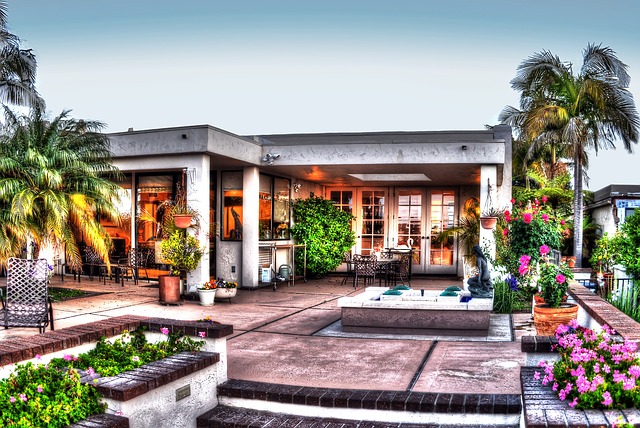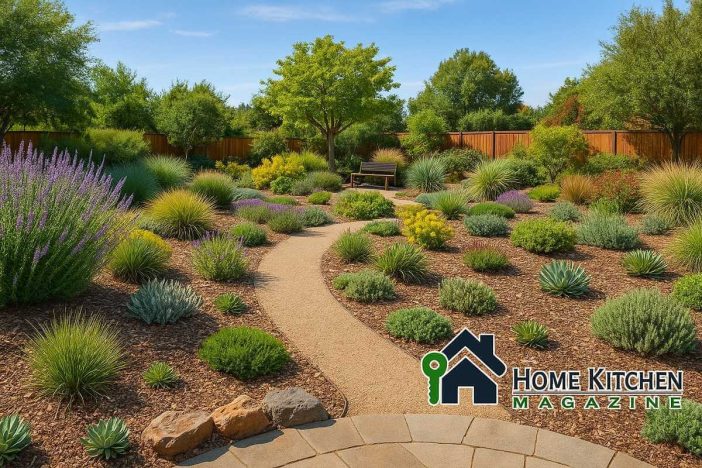
The morning sun glistens on dew-soaked leaves, yet not a drop of water is wasted. In a quiet suburban neighborhood, a homeowner walks barefoot across a lush, vibrant garden—alive with color, scent, and serenity. What’s remarkable is not just the beauty but the efficiency behind it. This is the future of landscaping: a water-efficient garden design that thrives even when the rains forget to fall.
In an era of unpredictable climates and rising water costs, creating a beautiful garden no longer means pouring gallons of precious water into the soil. It’s about reimagining the relationship between nature and nurture—where design meets sustainability, and every drop counts. According to the Environmental Protection Agency (EPA), nearly 30% of household water use in the United States goes toward outdoor irrigation, with half of it wasted through evaporation or inefficient watering. But the revolution has begun: more homeowners are embracing sustainable landscaping, saving thousands of gallons of water each year—without sacrificing beauty.
This article explores 10 brilliant ideas for a water-efficient garden design that merges artistry with science. You’ll discover real-world examples, practical tips, and proven methods to help your garden flourish sustainably—whether you live in a dry desert climate or a rainy suburb looking to conserve resources.
Water-Efficient Garden Design Ideas
1. Understand the Power of Smart Design
A water-efficient garden design begins long before the first seed is planted. It starts with planning—a balance between aesthetics, local climate, and soil health. By grouping plants with similar water needs, you create natural “zones” that reduce waste. This technique, known as hydrozoning, can lower outdoor water use by up to 40%, according to research by the University of California’s Center for Landscape and Urban Horticulture.
Start by mapping sun exposure, wind direction, and drainage patterns. Place drought-tolerant plants in sun-drenched areas and moisture-loving ones where water naturally collects. Use mulch or ground covers like creeping thyme to reduce evaporation. Smart design isn’t just efficient—it’s intentional beauty in harmony with nature.
2. Choose Native and Drought-Tolerant Plants
One of the most effective ways to create a sustainable garden is to embrace native plants. These species have evolved to thrive in your region’s conditions, needing less water, fertilizer, and maintenance. For example, lavender, sage, and yarrow are excellent for Mediterranean or dry regions, while coneflowers and black-eyed Susans flourish in temperate zones.
A study by the National Wildlife Federation found that gardens with native plants attract 50% more pollinators and use 60% less water compared to non-native landscapes. By designing around your local ecosystem, your garden becomes not just a place of beauty but also a sanctuary for wildlife.
To deepen your knowledge of eco-friendly landscape practices and plant selection, check out our guide Sustainable Gardening Ideas: 7 Powerful Tips For Success for more sustainable gardening strategies.
3. Invest in Drip Irrigation and Smart Watering Systems
Traditional sprinklers often waste more water than they deliver. The solution? Drip irrigation systems, which deliver moisture directly to plant roots with pinpoint accuracy. These systems can reduce water use by 30–70% while maintaining optimal soil hydration.
Pair your drip system with a smart irrigation controller that adjusts watering schedules based on real-time weather data. Brands like Rachio and Rain Bird offer Wi-Fi-enabled systems that integrate with weather apps to prevent unnecessary watering on rainy days. Over time, this smart integration pays for itself through lower utility bills and healthier plants.
To deepen your understanding of sustainable landscaping and climate-resilient design, you can explore the U.S. Environmental Protection Agency’s WaterSense Program — an excellent resource that provides practical tips, case studies, and research on how to conserve water through smarter irrigation and plant selection. Their guidelines show how simple outdoor changes can save thousands of gallons annually while keeping your garden lush and vibrant. This source helps reinforce eco-friendly practices and supports your journey toward a greener home and community.
4. Reimagine Your Lawn—or Replace It Entirely
The traditional lawn is one of the biggest water consumers in residential landscapes. In fact, the EPA estimates that lawns in the U.S. consume over 9 billion gallons of water per day. That’s why many homeowners are opting for lawn alternatives such as clover lawns, ornamental grasses, or xeriscaping—a design approach that uses rocks, gravel, and hardy plants to create stunning, low-water landscapes.
If you love the green look, consider buffalo grass or zoysia, which require 50% less water than Kentucky bluegrass. Or create a mosaic of stone paths, succulents, and decorative planters for a modern, eco-conscious aesthetic.
5. Master the Art of Mulching
Mulch is the unsung hero of every water-efficient garden design. A two- to three-inch layer of organic mulch—like bark chips, compost, or straw—locks in soil moisture, reduces evaporation, and prevents weed growth.
Studies from Texas A&M University show that mulched gardens retain up to 70% more moisture than bare soil. As mulch breaks down, it also improves soil fertility and structure, supporting long-term sustainability. Replenish mulch annually for continuous benefits.
6. Collect and Reuse Rainwater
Why let the rain go to waste? A simple rainwater harvesting system can supply your garden with free, eco-friendly water year-round. Collect runoff from rooftops in barrels or underground tanks, then use it to irrigate your plants during dry periods.
In drought-prone areas like California and Australia, homeowners who practice rainwater reuse save up to 25,000 gallons per year. Combine this with drip irrigation for a self-sustaining system that’s both eco-friendly and cost-effective.
7. Improve Soil Health for Better Water Retention
Healthy soil acts like a sponge, storing water for plant roots. To enhance soil structure, add organic matter such as compost, aged manure, or leaf mold. These materials improve both drainage and retention, creating a balanced environment for plant growth.
According to the Soil Science Society of America, every 1% increase in organic matter in the top six inches of soil can hold an additional 20,000 gallons of water per acre. That’s sustainability at the microscopic level—proof that what’s beneath the surface matters most.
8. Use Shade Strategically
Shade isn’t just for comfort—it’s a powerful ally in water conservation. Strategically placed trees, pergolas, or shade sails reduce soil evaporation and shield delicate plants from heat stress.
Plant deciduous trees on the western side of your home to block harsh afternoon sun while allowing winter warmth. Integrate tall shrubs or trellised vines to create cool microclimates that benefit surrounding vegetation. The result: a garden that uses less water while feeling naturally inviting.
9. Design with Layers and Texture
A layered landscape—combining tall trees, mid-level shrubs, and ground covers—creates a natural ecosystem that retains moisture. Each layer protects the one below from direct sunlight and wind, reducing overall water loss.
Think of it as a living architecture: the canopy, understory, and forest floor. Use succulents, ornamental grasses, and native perennials to build texture and visual interest. The more variety in structure, the more resilient your garden becomes.
10. Maintain Mindfully: Less Is More
The journey to a water-efficient garden doesn’t end after planting. Ongoing maintenance is where true efficiency shines. Avoid overwatering—most plants only need an inch of water per week. Use a moisture meter or simply check soil with your finger before watering.
Trim dead leaves to improve air circulation, inspect irrigation lines for leaks, and regularly adjust your watering schedule seasonally. As your plants mature, they’ll need less attention, proving that sustainability is not just a design choice—it’s a lifestyle.
🌎 Real-World Example: California’s Drought-Resistant Revolution
California’s “Cash for Grass” program encouraged homeowners to replace lawns with drought-tolerant landscapes, saving an estimated 12 billion gallons of water annually. The state’s gardens now feature succulents, gravel paths, and artistic rock formations—showing that eco-conscious design can be breathtakingly beautiful.
Similar programs have spread globally, from Australia’s “Smart Gardens” initiative to Spain’s Mediterranean landscaping movement. These examples highlight a growing trend: beauty and sustainability no longer compete—they coexist.
🌱 Wrapping Up: Every Drop Tells a Story
A water-efficient garden design is more than just a trend—it’s a quiet revolution blooming in backyards around the world. It’s about crafting beauty that respects nature, about turning scarcity into creativity. Each raindrop caught, each drought-resistant plant grown, becomes part of a larger story—one that reconnects us to the earth while safeguarding its future.
As you step into your own sustainable oasis, remember this: you’re not just planting a garden. You’re planting hope, resilience, and the promise of a greener tomorrow.