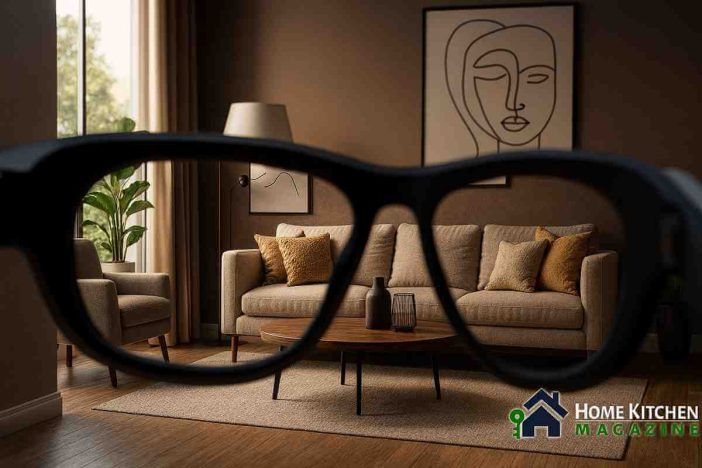
On a quiet Tuesday morning, Sarah sat in her living room, coffee in hand, staring at an empty corner that once felt like an exciting blank canvas. She had a Pinterest board brimming with ideas but no clue how to bring them to life without spending thousands of dollars on a designer or enduring weeks of back-and-forth revisions.
Then she slipped on her VR headset, stepped into a dazzling digital replica of her own home, and with a few hand gestures, swapped sofas, altered wall colors, and even walked around a virtual kitchen that looked uncannily real. It was thrilling, effortless, and hinted at a future where anyone can be their own designer. This is not science fiction. This is the revolution of Virtual interior design—a technology reshaping how we see and craft our living spaces, and it’s only getting bigger.
Why This Matters Today
In 2025, the Virtual interior design market has surged into the mainstream, reaching an estimated value of around USD 9.36 billion and poised to more than double by 2030 with a projected CAGR of nearly 11.76 percent. This rapid expansion reflects a shift in how homeowners, designers, and even commercial enterprises approach space planning and aesthetics. Whether planning a simple room makeover or a full renovation, people now use immersive digital tools that bridge imagination and reality with unprecedented accuracy.
What Is Virtual Interior Design?
A Digital Canvas for Real Spaces
At its core, Virtual interior design refers to the practice of planning and visualizing interior environments using digital tools, often integrating 3D rendering, augmented reality, or virtual reality. Rather than flipping through magazines or imagining layouts in your head, users can step into a simulation of their own room and explore changes in real time. Designers work with clients remotely, share 3D walkthroughs, and tweak concepts collaboratively—all without ever meeting in person.
These technologies allow anyone—from seasoned professionals to first-time homeowners—to:
- Visualize furniture placements and finishes in real dimensions
- Test color schemes and lighting scenarios before implementation
- Receive personalized recommendations based on style preferences
By removing guesswork and aligning expectations early, people save time and reduce costly mistakes that often occur when a design is only imagined on paper.
The Tech Behind the Magic
VR, AR, and 3D Rendering
A big part of what makes Virtual interior design so powerful is the combination of virtual reality and augmented reality technologies. While virtual reality immerses a user in a fully digital environment, augmented reality overlays virtual design elements directly into a real space through a smartphone or headset. This blended approach allows clients to “see” a redesign in place before purchasing furniture or committing to costly renovations.
Research shows that immersive digital environments enhance user engagement and provide a level of spatial understanding that flat images cannot match. These environments also help users emotionally connect with a design before any physical work begins.
AI and Automation
In 2025, artificial intelligence has become a major force in digital design workflows. Tools now assist users by generating interior layouts based on lifestyle inputs, room dimensions, and personal taste. This makes the design process faster, more intuitive, and accessible even to people with no technical background.
The rise of intelligent tools has made AI interior design an essential part of modern home planning, allowing homeowners to visualize layouts, colors, and furniture with remarkable accuracy. By combining artificial intelligence with digital visualization, users can explore multiple design options before committing to physical changes. This approach perfectly complements virtual planning methods and helps reduce costly design mistakes while improving creative confidence.
7 Shocking Facts You’ll Love
1. The Market Is Exploding
The Virtual interior design services market is projected to grow from a multi-billion-dollar industry into a dominant force in both residential and commercial design. This growth confirms that digital design is no longer optional—it is becoming the default.
Why it matters: Rapid growth signals long-term opportunity for homeowners, designers, content creators, and businesses targeting high-value audiences.
2. Remote Design Is Becoming the Norm
Designers no longer need to visit a physical location to deliver professional results. Clients and designers collaborate in real time using shared 3D environments, making location irrelevant.
Actionable tip: Homeowners can now hire designers based on skill and style, not geography.
3. Cost Savings Can Be Dramatic
Digital staging and virtual planning are significantly cheaper than traditional in-person design services. There are no travel costs, fewer revisions, and no need for physical prototypes.
Real example: Property listings using virtual staging often attract more buyer interest without the expense of physical furniture rentals.
4. Faster Decisions, Less Waste
With Virtual interior design, clients experiment freely before buying anything. This dramatically reduces material waste, unnecessary returns, and renovation regrets.
Consumer insight: People feel more confident committing to final designs after experiencing them virtually.
5. Virtual Tools Boost Customer Satisfaction
Interactive visual experiences improve understanding and reduce misunderstandings between designers and clients. When people see exactly what they will get, satisfaction increases.
Takeaway for professionals: High-quality visualization directly impacts trust and repeat business.
6. Sustainability Is a Rising Trend
Digital design reduces the need for physical samples, mock-ups, and unnecessary construction changes. This aligns with growing consumer demand for environmentally responsible solutions.
Tip: Sustainability messaging strengthens brand credibility and appeals to eco-conscious audiences.
7. DIY Platforms Are Gaining Ground
Affordable do-it-yourself platforms empower homeowners to design their own spaces using guided tools, templates, and AI assistance.
Example: Subscription-based design software allows users to redesign rooms multiple times without additional cost.
For homeowners who value comfort as much as style, AI home designs offer a smarter way to balance aesthetics and functionality. Advanced design platforms analyze preferences and room dimensions to create inviting spaces that feel both personal and practical. This insight expands the discussion on digital planning by showing how technology directly enhances everyday living.
How to Use Virtual Interior Design in Your Next Project
Step 1: Define Your Vision
Collect inspiration, identify needs, and clarify priorities before opening any design tool.
Step 2: Choose the Right Platform
Look for platforms offering 3D previews, realistic lighting, and easy collaboration.
Step 3: Explore In-Depth Features
Walk through your design virtually, paying attention to flow, scale, and comfort.
Step 4: Get Feedback
Share your virtual design with others to gain perspective before finalizing decisions.
When planning compact interiors, understanding how to design a small kitchen with maximum storage becomes critical for both functionality and comfort. This guide provides practical layout strategies that work exceptionally well when tested through digital visualization tools. It supports readers who want to apply virtual planning to real, space-constrained environments.
Future Trends to Watch
Immersive Shopping Integration
Design previews will increasingly connect directly to product purchases.
Enhanced AI Collaboration
Artificial intelligence will evolve into a true creative partner, not just a tool.
Wider Adoption in Commercial Spaces
Retail, hospitality, and office environments will rely heavily on virtual planning before construction.
Exploring modern kitchen design trends helps readers understand how clean lines, warm colors, and smart storage solutions translate from digital concepts into real spaces. Virtual planning tools allow these modern elements to be tested and refined before renovation begins. This makes contemporary kitchen styles easier to adopt with confidence.
Final Thoughts
Whether you are redesigning a single room or managing a large-scale project, Virtual interior design offers clarity, efficiency, and creative freedom. It saves time, reduces cost, improves outcomes, and empowers anyone to create spaces they truly love.
As digital tools become more advanced and accessible, embracing virtual design is no longer a trend—it is a smart, future-proof choice.