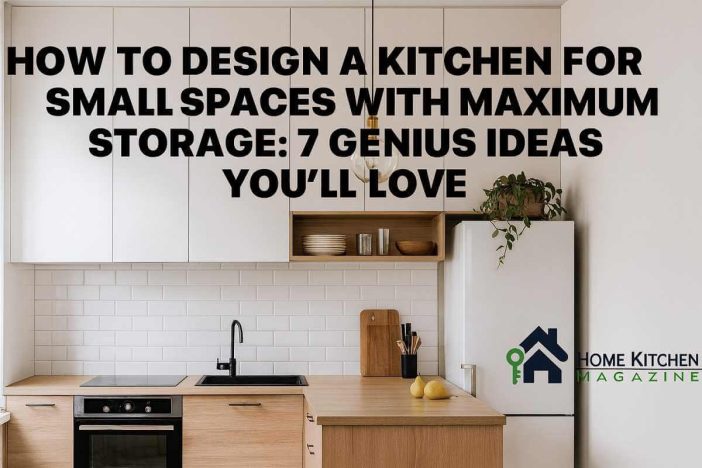
How to design a kitchen for small spaces with maximum storage—that’s the quiet question echoing through every compact apartment, every rented studio, every home where dreams of a perfect kitchen seem too big for the walls that hold them. It begins not with blueprints, but with longing: the desire to chop vegetables without bumping an elbow, to find the pot lid without toppling the entire shelf, to feel that even a small kitchen can breathe like a larger one.
In Jakarta, London, or New York, space has become a new luxury. Apartments shrink as cities rise, yet our expectations for comfort expand. That’s where ingenuity replaces square footage. Some people build up, others fold down, but all of them chase the same thing—harmony between design and necessity. The art lies not in how much space you have, but in how wisely you use it.
Designers call this “the new domestic revolution”—the ability to make small kitchens feel grand through smart storage, intuitive flow, and light. The statistics back it: kitchen renovation remains one of the top global home upgrades, with surveys showing that 73% of homeowners prioritize better storage over new appliances. What they really seek isn’t just tidiness—it’s a sense of calm, of beauty emerging from precision.
So, before you knock down a wall or order custom cabinets, pause for a moment. This guide isn’t merely about measurements or materials. It’s about reclaiming control over your everyday rhythm. Here, you’ll discover 7 genius ideas—each born from real homes, refined by designers, and proven by data—to transform even the smallest kitchen into a sanctuary of order and elegance.
To combine space-saving techniques with aesthetic appeal, you can also refer readers to our Modern Kitchen Design guide, where we explore warm palettes, smart storage, and sustainable materials that complement small-space layouts.
Why Small-Kitchen Storage Matters (and What the Data Says)
Before diving into solutions, let’s anchor ourselves with evidence and context. Understanding why designing a kitchen in small spaces for maximum storage is not just an aesthetic quest—but a necessity—will help sharpen your approach.
- Urbanization and smaller homes: With cities densifying globally, housing units are shrinking. Many modern apartments allocate less than 8 m² to kitchens.
- Rising remodeling demand: Kitchen remodeling remains among the top home improvement categories, driven by the need for efficiency. Experts note that one of the most critical aspects of small kitchen design is storage, as homeowners demand more compact but highly functional kitchens.
- Design publication trends emphasize extending cabinets to the ceiling in small kitchens to visually and functionally maximize vertical real estate.
- Storage-idea compilations are among the most popular searches on home design platforms, showing strong interest in creative solutions for compact spaces.
- Historical kitchen design theory, such as the Frankfurt kitchen, optimized steps and workflow in tight spaces—anticipating modern small-space optimization.
That all signals one thing: small-kitchen storage is not a fringe problem. It’s central to how tomorrow’s homes will be lived in. Getting it right means greater functionality, less stress, and more joy in what often becomes the heart of a home.
7 Genius Ideas You’ll Love on How to Design a Kitchen for Small Spaces with Maximum Storage:
1. Go Vertical — Use Every Ceiling Height
In many small kitchens, the space above cabinetry becomes wasted real estate. Standard upper cabinets often stop several inches below the ceiling, creating a dust trap and subtracting potential storage. Going vertical turns that void into usable territory. Visually, tall cabinets also draw the eye upward, making the room feel taller and more spacious.
How to Implement It:
Use full-height (floor-to-ceiling) cabinets with a seamless finish. If ceiling height is variable, use a narrow soffit cabinet or reveal to finish the gap. In very tall ceilings, integrate a mezzanine shelf above cabinets for lightweight items. Add pull-down shelving systems for accessibility.
Pitfall to Avoid:
Don’t create unreachable zones. Always plan how you will access the highest shelf—folding steps, pull-down shelving systems, or sliding ladders.
When planning a compact kitchen, global design experts offer countless inspiring ideas—one of the most insightful collections is “61 Small Kitchen Ideas That Make the Most of a Tiny Space” from Architectural Digest. It showcases smart use of vertical cabinetry, concealed pantries, and layout tweaks that transform cramped areas into functional beauty.
2. Use Shallow or Reduced-Depth Units
Standard cabinetry depth can intrude too far into narrow kitchen aisles, creating a congested “tunnel” feel. By slimming the depth in less-critical zones, you preserve elbow room while still gaining storage.
How to Implement It:
Use 300–350 mm deep cabinetry for spice cabinets, dish racks, and shallow storage. Stagger cabinet depths for visual interest and to improve flow. Choose shallow pantries or pull-out tower units in tight spaces.
Pitfall to Avoid:
Don’t apply shallow depth to heavy or large items (pots, pans). Use this technique for lighter tools, spices, or packages.
3. Integrated & Pull-Out Mechanisms
Corners, awkward niches, and small gaps are often dead zones. Pullouts transform them into efficient storage. Grand kitchen designers call this “making the invisible visible.”
How to Implement It:
Use blind corner pullouts, pull-out pantry towers, appliance garages, sliding backsplashes, and vertical dividers for baking sheets or cutting boards.
Pitfall to Avoid:
Low-quality mechanisms will squeak or fail. Use hardware rated for high cycles and keep space for mechanical tolerances.
If your design includes a pantry or tall cabinet, complement it with our article Best Pantry Organization Ideas for Small Kitchens: 7 Genius Hacks That Actually Work—full of modular shelf plans and container systems you can adopt immediately.
4. Multi-Purpose & Dual-Use Surfaces
In micro kitchens, surfaces often double as dumping grounds. Reimagining surfaces as smart storage zones reduces clutter and maximizes efficiency.
How to Implement It:
Use benches or banquettes with storage under the seat, install toe-kick drawers beneath cabinets, incorporate fold-down tables, and use over-the-island hanging racks for pots or cookbooks.
Pitfall to Avoid:
Don’t make dual-use elements cumbersome. Ensure movement is fluid and the mechanism is durable under regular use.
5. Smart Internal Organization
Storage is useless if items inside are chaotic. Smart internal design ensures that you find what you need when you need it.
How to Implement It:
Use adjustable shelves, pull-out trays, under-shelf hooks, drawer inserts, and lazy Susans. Categorize everything and label containers for easy retrieval.
Pitfall to Avoid:
Don’t overfill shelves just because space is available. Leave some clearance and avoid obstructing access.
For fully optimizing how to design a kitchen for small spaces with maximum storage, you might also enjoy our post on Small Kitchen Organization Ideas: 15 Genius Hacks You’ll Love, which dives deeper into clever drawer systems, shelf dividers, and spatial psychology
6. Let Light & Visual Tricks Expand Space
Our brain judges size by visual cues. By controlling light, color, and reflections, you can create the illusion of space.
How to Implement It:
Use glass cabinet fronts, light colors, reflective materials, consistent flooring, and layered lighting (recessed, under-cabinet, task lighting).
Pitfall to Avoid:
Too many open shelves can lead to cluttered appearance. Limit them to what you can maintain.
7. Customize to Your Inventory (Tailored Design)
Generic cabinetry often leads to wasted voids or awkward gaps. If your design is built around what you own, you guarantee utility.
How to Implement It:
Create an inventory: measure pots, pans, blenders, trays, and categorize by size. Sketch cabinet modules to fit those dimensions and leave some flexibility for future additions.
Pitfall to Avoid:
Hyper-customization can push costs up. Combine custom zones with standard modules to balance budget and efficiency.
Putting It All Together: A Sample Layout & Workflow
Here’s how these 7 ideas might coalesce in a 3 × 2.5 m (≈ 8 ft × 6 ft) kitchen, L-shaped:
- Full-height overhead cabinets on both legs
- One leg uses shallow depth for jars and glasses
- Corner uses a blind-corner pullout
- Under seating nook or bench, use lift-up storage
- Inside drawers, have modular inserts
- Glass cabinet doors + under cabinet LED
- Cabinet dimensions based on your measured cookware
Workflow tip: place sink, stove, and fridge in a compact “work triangle” so movement is minimal, echoing historic efficient layouts.
Maintenance, Upkeep & User Behavior
A well-designed kitchen still depends on daily habits. Here are key tips:
- Purge regularly — eliminate duplicates or unused tools.
- Return items immediately — don’t let counters become staging zones.
- Relabel & categorize — especially in drawers and pantry.
- Check hardware yearly — clean and lubricate pullouts.
- Adapt over time — as your cooking habits change, rearrange interiors.
FAQ & Quick Answers
Q: What is the best layout for small kitchens to maximize storage?
A: Use compact shapes (L, U, or galley), extend cabinetry to the ceiling, incorporate shallow units, and use pull-out mechanisms to optimize corners.
Q: How deep should cabinets be in a small kitchen?
A: Standard base cabinets are ~560 mm deep, but using 300–350 mm shallow units in secondary zones can improve flow.
Q: Is open shelving good for small kitchens?
A: Open shelves create visual openness but should be limited and remain tidy. Combine glass-fronted cabinets with concealed lower storage for balance.
Wrapping Up
Designing a kitchen in constrained space doesn’t mean sacrificing style or function. With these 7 genius strategies—going vertical, slimming depth, pull-outs, multi-use surfaces, smarter interiors, visual tricks, and customizing around your items—you can transform tight quarters into a kitchen that feels spacious, efficient, and delightful.
Start by sketching your current layout, take inventory of your cookware, and pick one or two strategies to implement. Document the transformation—it might inspire others who dream of making the most of their small spaces.