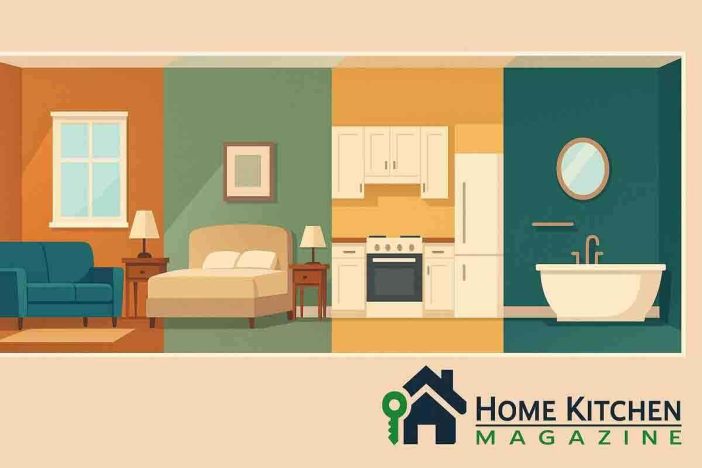
Choosing the perfect colour for your home isn’t just about aesthetics — it’s about creating a space that reflects your personality, supports your daily activities, and enhances emotional well-being. This guide will teach you how to choose paint colours for your home with confidence, using expert advice, practical tips, and current trends backed by design psychology.
Why Learning How to Choose Paint Colours for Your Home Matters
Colour isn’t just decoration — it influences mood, perception, and productivity. Understanding how to choose paint colours for your home can help you design environments that are both beautiful and functional. Studies show that warm colours can evoke energy and intimacy, while cool colours tend to relax and expand space.
How to Choose Paint Colours for Your Home Based on Light and Layout
Natural Light Direction Matters
- North-facing rooms: These receive cooler light, making colours appear more muted. Use warm tones to balance.
- South-facing rooms: Ideal for both cool and warm colours due to strong natural light.
- East-facing rooms: Bright in the morning, shadowy in the evening — warm neutrals shine here.
- West-facing rooms: Warm afternoon light can intensify colours like red or orange.
Artificial Light Impacts Paint Perception
Choose LED bulbs with warm tones to complement earthy hues, or daylight bulbs for crisp blues and greys.
Room Size and Ceiling Height Tips
Learning how to choose paint colours for your home includes using light shades to open up small rooms and darker tones to cozy up large spaces. Painting ceilings a slightly lighter colour than the walls helps rooms feel taller.
How to Choose Paint Colours for Your Home That Match Existing Decor
Your new wall colours should complement your:
- Flooring (wood tones, tile colours)
- Major furniture pieces (sofas, cabinetry)
- Fixtures and finishes (metallic, matte, natural wood)
Tip: Always compare your paint samples next to these elements — not in isolation.
Top Colour Schemes When Choosing Paint Colours for Your Home
Monochromatic for Calm Continuity
Using different tints of the same hue is perfect for a sleek, minimalist look.
Analogous for a Harmonious Flow
Pick three side-by-side colours from the wheel (e.g., blue, blue-green, and green) to create soothing transitions.
Complementary for Vibrancy and Pop
Use opposites (like orange and blue) to highlight focal points and accents.
Room-by-Room Tips on How to Choose Paint Colours for Your Home
Living Room Colour Choices
Try soft beiges, greys, or muted greens for comfort. Accent with rich tones like navy or terracotta for character.
Bedroom Paint Ideas
Go with light blues, pastels, or sage greens for serenity. If you need coziness, consider warm grey or dusty mauve.
Colour isn’t the only way to make your bedroom feel larger and more inviting. Combine it with smart design layouts—our guide on How to Maximize Space in Bedroom offers clever solutions to complement your new wall colours.
How to Choose Paint Colours for Your Kitchen
Yellows, warm whites, or pale greens stimulate appetite and brightness. Use a semi-gloss finish for easy cleaning.
Bathroom Colour Selection
Pale aqua, soft grey, or cool white create spa-like atmospheres. Use mold-resistant paints in damp areas.
Adding a touch of green with indoor plants can beautifully complement your chosen colour scheme. If you’re looking for inspiration, check out these Window Garden Ideas to bring fresh, natural energy into your home.
Common Mistakes to Avoid When Learning How to Choose Paint Colours for Your Home
- Ignoring Lighting Variations
Colours look different under warm vs. cool lights — always test during day and night. - Using Too Many Colours
Stick to a consistent palette throughout the home to avoid visual chaos. - Skipping Test Patches
Don’t rely only on store swatches — paint 2’x2’ squares on your walls and observe them for 48 hours.
Beyond picking the perfect colour, the tools you use also affect your paint job’s finish. Make sure you choose the right tool for the job by reading our guide on choosing a paint roller.
Visualization Tools to Help You Choose Paint Colours
- Paint Visualizer Apps
Use tools from brands like Sherwin-Williams or Benjamin Moore to preview wall colours using your own room photos. - Sample Boards & Patches
Paint large cardboard samples and move them around to test in different lighting.
Expert Advice on How to Choose Paint Colours for Your Home with Confidence
- Start With a Base Colour You Love
Build the palette around a favourite tone you won’t tire of. - Stick to a 60-30-10 Rule
60% dominant colour, 30% secondary, 10% accent — this keeps harmony in balance. - Get Inspired by Nature or Travel
Earthy tones from the beach or forest often create timeless interiors. - Balance Personal Style with Trends
2025 trends lean toward muted greens, warm clay tones, and dusty blue-greys, but your comfort comes first.
Final Thoughts: Mastering How to Choose Paint Colours for Your Home
Mastering how to choose paint colours for your home isn’t just about trends or expert tips — it’s about creating a space that feels right for you. Use natural light to your advantage, harmonize with existing decor, and always test before committing. Whether you’re aiming for cozy, clean, bold, or calming, the right paint can transform your home from the walls inward.