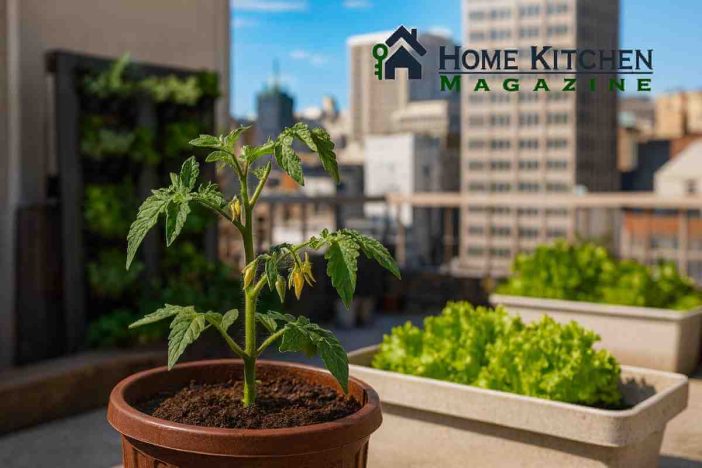
Urban farming methods are quietly reshaping the way city dwellers think about food, space, and sustainability. In neighborhoods filled with towering buildings and narrow alleys, small pockets of green begin to emerge—on balconies, tiny yards, even on the walls of aging apartment blocks.
What once seemed impossible is now becoming a movement: vegetables growing in recycled bottles, fish living under leafy greens, and rooftops turning into vibrant gardens. These aren’t just planting techniques; they are stories of resilience, creativity, and the human desire to reconnect with nature, even in the most unlikely places.
For readers who want straightforward, actionable advice, the article urban farming tips that can be applied at home provides bite-sized techniques for maximizing limited space and caring for plants. It helps beginners understand what tools and media they should prepare before starting.
What Is Urban Farming?
Urban farming is the practice of growing plants—or even raising fish and small livestock—within city environments by optimizing any available space. Unlike traditional farming, it does not require large fields. Even unused household items such as plastic bottles, paint cans, and PVC pipes can be repurposed into planting containers.
Common planting media used in urban farming include:
- Cocopeat (coconut fiber)
- Charcoal or rice husk
- Organic compost
- Soilless planting mixes
- Water-based nutrient solutions (for hydroponics)
Because the systems are relatively small and easy to set up, they are suitable for beginners and homeowners with limited space.
⭐ Most Effective Urban Farming Methods
Below are popular and beginner-friendly urban farming methods that can be applied at home, in apartments, or in community spaces.
1. Aquaponics
Aquaponics combines hydroponics (growing plants in water) with aquaculture (raising fish). The fish produce nutrient-rich waste, which becomes natural fertilizer for the plants. In return, the plants help filter and purify the water for the fish.
Best plants for aquaponics:
- Water spinach (kale)
- Pak choy
- Lettuce
- Spinach
Fish commonly used:
- Catfish
- Tilapia
- Goldfish
This system can be done even with a large bucket (about 60 liters). With this method, you can raise up to 60 catfish while growing vegetables above the water using small plastic pots filled with charcoal or cocopeat.
For readers who want to explore an efficient, soil-free growing system, the guide on how to grow hydroponics offers a clear introduction to nutrient solutions, simple setups, and beginner-friendly methods. It explains why hydroponics is so effective in small urban spaces and how anyone can build a basic system at home
2. Bucket Aquaponics / “Budikdamber”
This is a simplified, low-cost version of aquaponics that became popular during the pandemic. It only requires:
- A 60L bucket
- Net pots or recycled plastic cups
- Simple planting media (charcoal, cocopeat, rice husk)
- Catfish or tilapia
It is ideal for families who want to produce food independently without needing a large yard.
3. Verticulture (Vertical Gardening)
Verticulture involves arranging plants vertically using stacked pots, PVC pipes, shelves, or hanging systems. This method helps maximize limited floor space and can be installed on balconies, fences, or narrow corners of the home.
Suitable plants for verticulture:
- Celery
- Mustard greens
- Spinach
- Chives
- Strawberries
- Grapes (in larger vertical systems)
Benefits of verticulture:
✔ Space-saving
✔ Easy maintenance
✔ Makes the area look greener and more aesthetic
If readers are interested in producing food beyond leafy greens, the article on growing oyster mushrooms is a great companion. Oyster mushrooms can thrive in tight, shaded corners of an urban home, making them ideal for city settings. The guide walks readers through substrate preparation, incubation, and harvesting in a simple way.
4. Hydroponics
Hydroponics is a method of growing plants without soil. Plants grow in water containing balanced nutrients essential for their growth. It produces cleaner, faster, and more predictable harvests.
Hydroponics is especially popular in urban homes because it:
- Uses less water
- Produces high-quality vegetables
- Is free from soil pests
- Can be done indoors or outdoors
Common vegetables grown hydroponically:
- Pak choy
- Cabbage varieties
- Kailan
- Tatsoi
- Mustard greens
5. Wall Gardening
Similar to verticulture, this method turns walls into vertical gardens by attaching pots or planting pockets onto the wall surface. It is ideal for homes with no ground space at all.
Suitable plants:
- Chili
- Tomatoes
- Herbs
- Tuber crops (in larger wall pockets)
- Decorative plants
Wall gardening is a creative way to cool down home walls, beautify narrow spaces, and increase air quality.
6. Permaculture
Permaculture stands for “permanent agriculture” and focuses on designing long-term, sustainable ecosystems that mimic natural environments. It integrates plants, animals, natural resources, and human needs into a balanced system.
Examples of permaculture principles:
- Collecting rainwater for irrigation
- Using fish pond water as natural liquid fertilizer
- Maximizing sunlight to reduce electricity use
- Turning kitchen waste into compost or eco-enzymes
- Using animal manure as organic fertilizer
Permaculture is not only a farming method but also a lifestyle that promotes sustainability and minimal waste.
Benefits of Urban Farming
Urban farming offers multiple advantages for individuals and communities:
- Fresh and healthy food at lower cost
- Reduced household expenses
- Better air quality through increased greenery
- Stress reduction and improved mental well-being
- Opportunities for community gardens
- Additional income from selling produce
It is an impactful way to support both the environment and everyday living.
Urban farming is only one part of achieving household food resilience; proper storage of staple foods is equally important. This is why the guide on how to store rice grains for long term is highly relevant to your readers. It explains how to keep rice fresh, pest-free, and safe to consume for months
Wrap Up
Urban farming proves that limited urban space is not a barrier to producing fresh and healthy food. From simple bucket systems to advanced hydroponics and permaculture, there is a method suitable for every type of home. By adopting urban farming, you contribute to a greener lifestyle, healthier food choices, and a more sustainable urban environment.