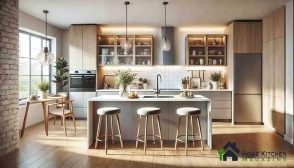
A second kitchen works best when it solves a specific household problem: heavy cooking, frequent entertaining, food preparation that creates strong odors, extra storage needs, or keeping the main kitchen visually clean. The design should therefore start with function, not finishes.
Before choosing cabinets or appliances, decide what the second kitchen actually needs to do. A light-duty prep kitchen may need only storage, counter space, a sink, and a small refrigerator, while a full secondary cooking kitchen may require dedicated ventilation, electrical capacity, plumbing, and additional safety planning.
Quick Answer: A practical second kitchen should be planned around five decisions: where it will be located, what cooking or prep tasks will happen there, whether it needs plumbing and ventilation, how much electrical capacity the appliances require, and how storage will support the workflow. Build only the functions the household will actually use.
What Is a Second Kitchen and Why You Might Need One
A second kitchen (also called a prep kitchen, dirty kitchen, or scullery) is a smaller, secondary cooking space designed to complement your main kitchen. It’s often tucked behind a wall, in a pantry area, or even in a garage or basement, depending on your home layout.
Benefits of a second kitchen design include:
- Keeping strong smells (like fish or frying oil) out of your main kitchen
- Reducing clutter in open-plan spaces
- Making large meal prep easier and more efficient
- Providing extra storage and workspace
- Creating a designated area for heavy-duty cooking
Whether you’re a passionate home chef or someone who hosts family gatherings often, this extra kitchen can be a game-changer.
Second Kitchen Planning Checklist: What to Decide Before Designing
A second kitchen can become expensive quickly if major utility and layout decisions are made after cabinets or appliances have already been selected. Resolve the following issues before finalizing the design.
1. Choose the Right Location
Place the second kitchen where it supports the way your household actually cooks. Common locations include a walk-in pantry, room behind the main kitchen, basement, garage-adjacent space, or another enclosed prep area. Consider how far food, dishes, and ingredients will need to travel between the two kitchens.
2. Define the Cooking Level
Decide whether the space is mainly for food preparation and storage or whether it will include high-heat cooking. A sink, refrigerator, microwave, and counter create very different infrastructure needs from a range, cooktop, wall oven, or other heat-producing appliances.
3. Plan Plumbing Before Cabinetry
If the second kitchen includes a sink, dishwasher, refrigerator water line, or other water-using appliance, determine supply and drainage requirements before cabinet dimensions are finalized. Keeping new plumbing reasonably close to existing supply and drain lines may simplify the project.
4. Evaluate Ventilation
A second kitchen used for frying, grilling, or frequent stovetop cooking needs an appropriate ventilation strategy. Do not assume a recirculating hood will solve every odor, moisture, or combustion-related requirement. Ventilation design should match the appliances, room configuration, and applicable local requirements.
5. Confirm Electrical Capacity
List every planned appliance and determine its electrical requirements before installation. Refrigerators, microwaves, dishwashers, induction equipment, ovens, and countertop appliances can create substantial simultaneous demand, so circuit planning should happen before walls and cabinetry are finished.
6. Build Storage Around Workflow
Store ingredients, cookware, cleaning supplies, and small appliances near the tasks performed in the second kitchen. Avoid duplicating every item from the main kitchen unless the second space genuinely functions as an independent kitchen.
7. Check Permits and Local Requirements
Projects involving new plumbing, electrical circuits, gas connections, ventilation ducts, structural alterations, or conversion of an existing room may require permits or inspections. Requirements vary by location, so confirm them before construction begins.
7 Practical Second Kitchen Design Ideas
1. Minimalist Design with Hidden Cabinets
If your home has limited space, go for a minimalist second kitchen design that blends into the background. Use handleless cabinetry, concealed appliances, and neutral tones to maintain a sleek, uncluttered look. This style works exceptionally well for homes with a Scandinavian or modern interior design.
Tip: Add push-to-open drawers and under-cabinet lighting to maintain the clean lines while enhancing functionality.
Pair your second kitchen design with an invisible kitchen minimalist trend to seamlessly blend hidden prep zones into your living space—ideal for clean, clutter-free layouts that remain functional.
2. Industrial Style with Stainless Steel Fixtures
Inspired by professional kitchens, an industrial-themed second kitchen is both practical and stylish. Stainless steel countertops, exposed shelving, and concrete floors are not just trendy but also durable and easy to clean.
Why it works: Perfect for frequent cooks who need a reliable, heavy-duty space to chop, prep, and cook without worrying about surface stains or scratches.
3. Built-In Pantry with Smart Storage Solutions
Combine your second kitchen with a pantry to create a powerhouse of functionality. Install pull-out racks, floor-to-ceiling cabinets, and categorized zones for dry goods, baking tools, and cleaning supplies.
Boost space in your second kitchen with practical DIY kitchen storage ideas—from pull-out drawers to hanging racks, these clever hacks are budget-friendly and perfect for maximizing functionality.
4. Dual-Sink and Double-Counter Layout
A second kitchen with two sinks or separate prep-and-cleanup zones can make simultaneous tasks easier, especially when more than one person is cooking. Before adding a second sink, make sure the extra plumbing, counter space, and cabinet footprint provide enough practical benefit to justify the added complexity.
Food-safety tip: Keep raw meat, poultry, seafood, and their juices separate from produce and ready-to-eat foods. Use separate cutting boards or preparation surfaces where practical, and clean hands, utensils, counters, and sinks thoroughly after contact with raw animal products.
5. Ventilated Cooking Station with a Second Stove
A second kitchen design really shines when it includes its own stovetop or induction cooktop. Pair it with a high-quality range hood to handle odors and steam. This is especially useful for cuisines that involve a lot of frying, grilling, or long simmering.
If the second kitchen will use a higher-capacity range hood, review our range hood makeup air guide before installation. It explains when exhaust capacity, combustion appliances, building pressure, and replacement air can become part of the ventilation plan.
Bonus: If you choose an induction cooktop, confirm its electrical requirements and compatible cookware before finalizing cabinetry and appliance locations. A compact cooktop can still require dedicated electrical planning.
Thinking about taking your second kitchen design even further? Our article on Exciting Outdoor Kitchen Ideas transforms your backyard into a fully functional prep and entertainment zone—perfect for hosting friends and keeping cooking mess outdoors.
6. Elegant Scullery with Open Shelving
Want to add style to substance? An open-shelving layout for your second kitchen or scullery adds character while keeping essentials within easy reach. Use matching jars, baskets, and containers to keep everything visually cohesive.
Style Tip: Paint the walls a bold color like navy or forest green to make your open shelves pop while giving the space a high-end designer feel.
7. Multipurpose Utility Zone: Laundry + Kitchen Combo
If you’re tight on space, why not combine your laundry and second kitchen into a multifunctional utility zone? Use modular cabinetry to separate each task zone and include a small prep area, a sink, and even a microwave.
Ideal for: Apartments, granny flats, or homes with limited floor plans where every square foot counts.
Common Mistakes to Avoid in Second Kitchen Layouts
While the idea of a second kitchen is exciting, poor planning can ruin its potential. Avoid these mistakes:
- Neglecting ventilation: Without proper airflow, your main kitchen may still get overwhelmed by odors.
- Overcrowding the space: Keep it functional, not stuffed.
- Underestimating plumbing/electrical needs: Always consult professionals.
- Choosing style over function: Aesthetic is important, but usability is key.
Second Kitchen vs Main Kitchen: What’s the Real Difference?
Your main kitchen often serves as the primary space for everyday cooking, family use, and entertaining. A second kitchen is usually more task-focused: it can separate heavy cooking, contain mess, provide extra preparation space, and support additional storage. Any effect on resale value will depend on the local market, buyer preferences, construction quality, and how useful the additional space is.
Use cases include:
- Hosting events without dirtying your show kitchen
- Meal prepping for the week
- Storing specialty appliances like dehydrators or air fryers
Frequently Asked Questions About Second Kitchens
What is a second kitchen called?
A second kitchen may be called a prep kitchen, back kitchen, dirty kitchen, scullery, or secondary kitchen, depending on its location and purpose. The terms are not always interchangeable: a prep kitchen may focus on food preparation, while a scullery is often designed around cleanup, storage, and keeping mess out of the main kitchen.
Does a second kitchen need a sink?
Not always. A light-duty prep area may function with counter space, storage, and small appliances only. A sink becomes more useful when the second kitchen handles regular food preparation, dishwashing, produce cleaning, or other tasks that would otherwise require frequent trips to the main kitchen.
Do you need a permit for a second kitchen?
It depends on the project and local rules. New plumbing, electrical circuits, gas connections, ventilation ducts, structural changes, or converting an existing room into a cooking space may require permits or inspections. Check local requirements before construction begins.
Is a second kitchen the same as a scullery?
Not exactly. A second kitchen can be a fully equipped cooking area, while a scullery is usually a support space for washing, storage, food preparation, and keeping clutter away from the main kitchen. Some modern homes combine both functions in one room.
Final Thoughts on Planning a Second Kitchen
A second kitchen works best when every feature supports a real household need. Start with location and workflow, then confirm plumbing, ventilation, electrical capacity, storage, and permit requirements before committing to cabinetry or appliances.
If the space will only handle light prep and storage, keep the design simple. If it will support regular cooking, treat it as a more complex project and plan the utilities and ventilation accordingly. The goal is not to duplicate the main kitchen, but to create a secondary space that makes everyday cooking and cleanup more efficient.