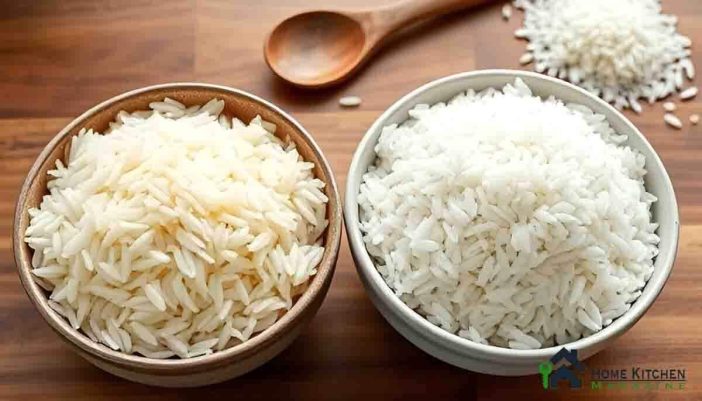
When it comes to choosing the perfect rice for your meals, the debate between jasmine rice vs white rice is a never-ending one. Both have their unique qualities, but which one truly deserves a place on your plate? In this article, we’ll dive deep into the characteristics, health benefits, and culinary uses of these two popular types of rice. Get ready to make an informed decision that will elevate your culinary experience!
Quick Answer: Jasmine rice is a fragrant long-grain variety, and most jasmine rice sold is white jasmine rice. Compared with other white rice varieties, it is usually more aromatic and slightly clingier after cooking, but it is not automatically higher in fiber or healthier. Choose according to the dish, the white or whole-grain form, the nutrition label, and your preferred texture.
Jasmine Rice vs White Rice
Whether you’re a home cook or a professional chef, understanding the differences between jasmine rice vs white rice can make all the difference in your dishes. With their distinct flavors, textures, and nutritional profiles, it’s essential to know which rice best suits your needs. Let’s explore the world of jasmine rice vs white rice and discover the winner for your kitchen.
Knowing Jasmine Rice vs White Rice
Jasmine rice and white rice are not mutually exclusive categories. Jasmine describes a rice variety, while white rice describes grain that has had the bran and germ removed. The most useful comparison is therefore white jasmine rice versus another specified white rice variety, using the same cooked serving size.
What is Jasmine Rice?
Jasmine Rice is a long-grain rice variety known for its fragrant aroma and slightly sticky texture. Originating from Thailand, this rice is often used in Southeast Asian cuisine and is a staple in many households. The aroma of jasmine rice comes from a compound called 2-acetyl-1-pyrroline, which gives it a distinct popcorn-like smell.
Not only does jasmine rice have an appealing aroma, but it also has a delicate, slightly sweet flavor. This makes it a popular choice for a variety of dishes, from stir-fries to curries. Its slightly sticky texture allows it to hold together well, making it an excellent option for dishes that require rice to maintain its shape.
What is White Rice?
White Rice is a more commonly known rice variety that has undergone milling to remove its husk, bran, and germ. This process results in a polished, white grain that is easy to cook and digest. White rice is a staple food in many cultures and is often used as a base for a variety of dishes.
While it may lack the aromatic qualities of jasmine rice, white rice has a neutral flavor that makes it versatile and adaptable to different cuisines. It cooks quickly and has a soft, fluffy texture, making it a go-to choice for busy households and restaurants alike.
Aroma and Flavor
One of the most notable differences between jasmine rice and white rice is their aroma and flavor. Jasmine rice, often referred to as Thai fragrant rice, emits a pleasant, popcorn-like smell due to the presence of a molecule called 2-acetyl-1-pyrroline. This distinct aroma enhances the sensory experience of meals. In contrast, standard white rice typically lacks a strong scent, offering a more neutral flavor that serves as a versatile base for various dishes.
Texture and Appearance
In terms of texture, jasmine rice is a long-grain variety that becomes fluffy and slightly sticky when cooked, making it ideal for dishes where a cohesive texture is desired. On the other hand, white rice encompasses various grain lengths—short, medium, and long—and its texture can range from sticky to separate and fluffy, depending on the specific type and cooking method used.
If you’re comparing different rice varieties, basmati rice is another popular choice alongside jasmine rice and white rice. While both jasmine rice and basmati rice have distinct aromas and textures, they also differ in their cooking characteristics and nutritional profiles. To understand how basmati rice compares with jasmine rice, including which one suits your dishes better, read this comprehensive comparison: Basmati vs Jasmine Rice.
Nutritional Comparison
When equal cooked portions are compared, differences in calories, carbohydrates, protein, and fiber depend on the rice variety, whether it is white or whole grain, enrichment, serving weight, and cooking method. Jasmine rice is not automatically higher in fiber than every other type of white rice. For a reliable comparison, use equal cooked weights and consult the product label or USDA FoodData Central.
Brown jasmine rice retains the bran and germ and generally contains more fiber than white jasmine rice. Glycemic response can also vary substantially with rice variety and preparation, so it is not accurate to claim that every non-jasmine white rice raises blood sugar faster than jasmine rice. People managing diabetes or blood glucose should follow individualized guidance from a qualified healthcare professional.
Jasmine rice is not just about fragrance and texture—it also has a unique nutritional profile compared to standard white rice. While it provides essential carbohydrates for energy, different varieties of jasmine rice offer varying fiber and micronutrient content. To dive deeper into the health benefits and nutritional aspects of jasmine rice, check out this in-depth analysis: Jasmine Rice Nutrition.
Cooking Methods
Water requirements are not universal. For jasmine rice, follow the package directions; a common stovetop starting range is 1¼ to 1½ cups of water per cup of rinsed rice. The brand, rinsing method, pot, and preferred texture can all affect the amount needed. After cooking, let the rice rest while covered before fluffing it gently.
For other white rice varieties, follow the directions for the specific grain instead of assuming that every type requires a 2:1 water ratio. For detailed instructions, use our dedicated jasmine rice cooking guide or our broader stovetop rice guide.
Culinary Uses
Jasmine Rice is often used in Southeast Asian dishes, such as Thai curries, fried rice, and stir-fries. Its fragrant aroma and slightly sticky texture make it an ideal companion for flavorful and saucy dishes.
White Rice, on the other hand, is incredibly versatile and can be used in a wide range of cuisines. It’s commonly used in dishes like sushi, paella, and pilaf. Its neutral flavor allows it to absorb the flavors of the ingredients it’s cooked with, making it a perfect base for various recipes.
Health Benefits
Both jasmine rice and other white rice varieties mainly provide carbohydrate energy. Enriched white rice may also provide iron and B vitamins, including thiamin, niacin, and folic acid, but enrichment varies by product and country. Check the package label before making a specific nutrient claim.
Whole-grain rice retains the bran and germ and generally provides more fiber and phytonutrients than white rice. The previous antioxidant and chronic-disease statements should not be applied broadly to white jasmine rice. The better choice depends on the whole meal, serving size, dietary needs, and whether the product is white, whole grain, enriched, or unenriched.
People Also Ask
Is jasmine rice healthier than white rice?
Not necessarily. Most jasmine rice sold is itself white rice, and nutritional differences depend on the variety, serving size, enrichment, and whether the grain is white or whole grain. Brown jasmine rice generally contains more fiber than white jasmine rice, but white jasmine rice is not automatically more nutritious than every other white rice variety.
Can I use jasmine rice as a substitute for white rice?
Yes, you can use jasmine rice as a substitute for white rice in most recipes. Keep in mind that jasmine rice has a slightly different flavor and texture, which may affect the overall taste of the dish.
How should I store jasmine rice and white rice?
Both jasmine rice and white rice should be stored in a cool, dry place in an airtight container to maintain their freshness and prevent contamination.
Wrap It Up
Choose jasmine rice when its fragrant aroma and soft, slightly clingy texture suit the dish. Choose another white rice variety when a neutral flavor or different grain texture works better. For nutrition, compare equal portions and check whether the rice is white, whole grain, enriched, or unenriched rather than assuming that one name is always healthier.