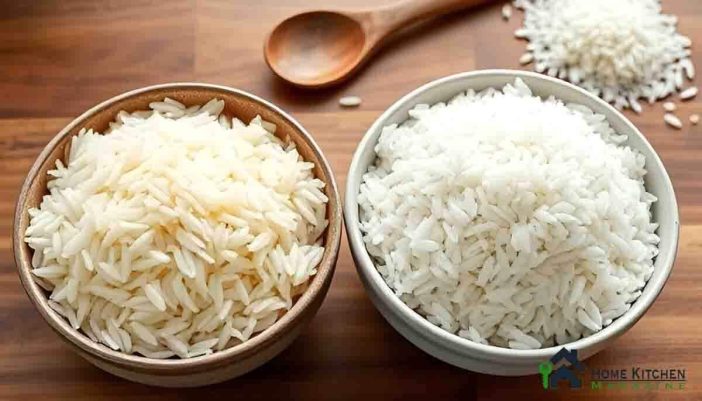
When it comes to choosing the perfect rice for your meals, the debate between jasmine rice vs white rice is a never-ending one. Both have their unique qualities, but which one truly deserves a place on your plate? In this article, we’ll dive deep into the characteristics, health benefits, and culinary uses of these two popular types of rice. Get ready to make an informed decision that will elevate your culinary experience!
Jasmine Rice vs White Rice
Whether you’re a home cook or a professional chef, understanding the differences between jasmine rice vs white rice can make all the difference in your dishes. With their distinct flavors, textures, and nutritional profiles, it’s essential to know which rice best suits your needs. Let’s explore the world of jasmine rice vs white rice and discover the winner for your kitchen.
Knowing Jasmine Rice vs White Rice
What is Jasmine Rice?
Jasmine Rice is a long-grain rice variety known for its fragrant aroma and slightly sticky texture. Originating from Thailand, this rice is often used in Southeast Asian cuisine and is a staple in many households. The aroma of jasmine rice comes from a compound called 2-acetyl-1-pyrroline, which gives it a distinct popcorn-like smell.
Not only does jasmine rice have an appealing aroma, but it also has a delicate, slightly sweet flavor. This makes it a popular choice for a variety of dishes, from stir-fries to curries. Its slightly sticky texture allows it to hold together well, making it an excellent option for dishes that require rice to maintain its shape.
What is White Rice?
White Rice is a more commonly known rice variety that has undergone milling to remove its husk, bran, and germ. This process results in a polished, white grain that is easy to cook and digest. White rice is a staple food in many cultures and is often used as a base for a variety of dishes.
While it may lack the aromatic qualities of jasmine rice, white rice has a neutral flavor that makes it versatile and adaptable to different cuisines. It cooks quickly and has a soft, fluffy texture, making it a go-to choice for busy households and restaurants alike.
Aroma and Flavor
One of the most notable differences between jasmine rice and white rice is their aroma and flavor. Jasmine rice, often referred to as Thai fragrant rice, emits a pleasant, popcorn-like smell due to the presence of a molecule called 2-acetyl-1-pyrroline. This distinct aroma enhances the sensory experience of meals. In contrast, standard white rice typically lacks a strong scent, offering a more neutral flavor that serves as a versatile base for various dishes.
Texture and Appearance
In terms of texture, jasmine rice is a long-grain variety that becomes fluffy and slightly sticky when cooked, making it ideal for dishes where a cohesive texture is desired. On the other hand, white rice encompasses various grain lengths—short, medium, and long—and its texture can range from sticky to separate and fluffy, depending on the specific type and cooking method used.
If you’re comparing different rice varieties, basmati rice is another popular choice alongside jasmine rice and white rice. While both jasmine rice and basmati rice have distinct aromas and textures, they also differ in their cooking characteristics and nutritional profiles. To understand how basmati rice compares with jasmine rice, including which one suits your dishes better, read this comprehensive comparison: Basmati vs Jasmine Rice.
Nutritional Comparison
When it comes to nutrition, jasmine rice vs white rice have their own unique profiles. Jasmine rice is slightly higher in calories and carbohydrates compared to white rice. However, it also contains more fiber, which can aid in digestion and provide a feeling of fullness.
On the other hand, white rice has a lower fiber content and can cause a quicker spike in blood sugar levels. It’s essential to consider your dietary needs and health goals when choosing between these two types of rice.
Jasmine rice is not just about fragrance and texture—it also has a unique nutritional profile compared to standard white rice. While it provides essential carbohydrates for energy, different varieties of jasmine rice offer varying fiber and micronutrient content. To dive deeper into the health benefits and nutritional aspects of jasmine rice, check out this in-depth analysis: Jasmine Rice Nutrition.
Cooking Methods
Cooking jasmine rice and white rice requires slightly different techniques to achieve the best results. For jasmine rice, it’s essential to rinse the rice thoroughly before cooking to remove excess starch. This helps prevent the rice from becoming too sticky. The ideal water-to-rice ratio for jasmine rice is 1.5:1, meaning 1.5 cups of water for every cup of rice. Once the water reaches a boil, reduce the heat to low, cover, and let it simmer for about 15-20 minutes.
For white rice, the water-to-rice ratio is typically 2:1. Rinsing the rice is also recommended, but the cooking process is more straightforward. Bring the water to a boil, add the rice, cover, and reduce the heat to low. Allow it to simmer for about 18-20 minutes or until the water is fully absorbed.
Whether you’re cooking jasmine rice or regular white rice, knowing the right stovetop method ensures the best texture and flavor. Proper water ratios, cooking times, and resting periods play a crucial role in achieving fluffy, perfectly cooked rice. If you want to master the art of cooking rice on the stove, check out this detailed guide that walks you through the process step by step: How to Cook Rice on Stove.
Culinary Uses
Jasmine Rice is often used in Southeast Asian dishes, such as Thai curries, fried rice, and stir-fries. Its fragrant aroma and slightly sticky texture make it an ideal companion for flavorful and saucy dishes.
White Rice, on the other hand, is incredibly versatile and can be used in a wide range of cuisines. It’s commonly used in dishes like sushi, paella, and pilaf. Its neutral flavor allows it to absorb the flavors of the ingredients it’s cooked with, making it a perfect base for various recipes.
Health Benefits
Both jasmine rice vs white rice have their own set of health benefits. Jasmine rice contains antioxidants, which can help protect the body from free radicals and reduce the risk of chronic diseases. Its higher fiber content also aids in digestion and can help regulate blood sugar levels.
White rice, while lower in fiber, is still a good source of energy and essential nutrients. It’s often enriched with vitamins and minerals, such as folic acid, iron, and B vitamins, making it a valuable addition to a balanced diet.
People Also Ask
Is jasmine rice healthier than white rice?
Jasmine rice is slightly higher in fiber and contains antioxidants, which can provide additional health benefits compared to white rice. However, white rice is often enriched with essential vitamins and minerals, making it a valuable addition to a balanced diet.
Can I use jasmine rice as a substitute for white rice?
Yes, you can use jasmine rice as a substitute for white rice in most recipes. Keep in mind that jasmine rice has a slightly different flavor and texture, which may affect the overall taste of the dish.
How should I store jasmine rice and white rice?
Both jasmine rice and white rice should be stored in a cool, dry place in an airtight container to maintain their freshness and prevent contamination.
Wrap It Up
The choice between jasmine rice vs white rice ultimately depends on your personal preferences and dietary needs. Jasmine rice offers a fragrant aroma, slightly sticky texture, and additional fiber content, making it an excellent choice for flavorful dishes. White rice, on the other hand, is versatile, easy to cook, and enriched with essential nutrients. Whichever rice you choose, both have their unique qualities that can elevate your culinary creations.