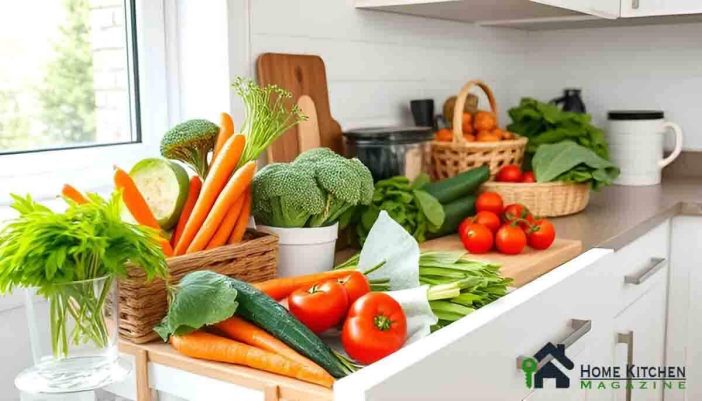
When it comes to keeping your produce in tip-top shape, learning how to store fresh vegetables at home is essential. Whether you’re a seasoned chef or a novice cook, nothing is more disheartening than opening the fridge to find your vibrant veggies have turned into a sad, wilted mess. Let’s dive into the secrets to extending the life of your greens and making the most out of your grocery haul.
Did you know that improper storage can cause your vegetables to lose their nutritional value? With our expert tips, you’ll extend the shelf life of your produce and ensure your meals are always bursting with freshness. Read on to learn the secrets to keeping your vegetables fresh and tasty, right in your own kitchen.
Why Storing Fresh Vegetables Properly Matters
How to store fresh vegetables at home is about more than just convenience. Proper storage ensures your produce stays flavorful and nutrient-rich while minimizing spoilage. Imagine saving money, reducing trips to the store, and always having crisp, vibrant vegetables on hand—sounds amazing, right?
How to Store Fresh Vegetables at Home
The Basics of Storing Vegetables
Storing vegetables properly starts with understanding their unique needs. Different vegetables have different storage requirements, and knowing these can make a big difference in how long they stay fresh.
1. Understand Your Vegetables
Not all vegetables are created equal, and different types require specific conditions. For example:
- Root Vegetables: Potatoes, carrots, and onions prefer cool, dark places.
- Leafy Greens: Spinach, lettuce, and kale thrive in a humid refrigerator crisper.
- Fruits Mistaken as Vegetables: Tomatoes and cucumbers fare better at room temperature.
For a comprehensive guide on storing different types of vegetables effectively, explore our detailed tips on how to store vegetables to maintain their freshness and flavor for longer.
2. Separate Ethylene Producers
Certain vegetables and fruits release ethylene gas, which speeds up ripening. Keep ethylene producers like bananas and tomatoes away from sensitive veggies such as leafy greens.
3. Temperature and Humidity
Vegetables like to be stored in a cool, humid environment, much like the conditions found in a cellar. However, modern refrigerators often do the trick. Make sure to keep your fridge at a consistent temperature, ideally between 32-40°F (0-4°C). Use the crisper drawer for vegetables that need high humidity, like leafy greens, to prevent wilting.
4. Air Circulation
While some vegetables thrive in a humid environment, others need proper air circulation to stay fresh. For instance, root vegetables like potatoes and onions should be stored in a cool, dark place with good airflow.
Specific Storage Techniques
Refrigeration Tips
- Leafy Greens: Wash, dry thoroughly, and store in a container with a damp paper towel to retain moisture.
- Carrots and Celery: Submerge in water and place in a sealed container.
- Broccoli and Cauliflower: Wrap in a damp towel and store in the crisper drawer.
Room Temperature Storage
- Onions and Garlic: Store in a breathable bag in a cool, dry place.
- Tomatoes: Keep stem-side down on the counter to prevent bruising.
If you’re unsure about storing tomatoes, discover whether they should be stored in the refrigerator and learn the best practices to keep them ripe and flavorful: Should Tomatoes Be Stored in the Refrigerator?
Specific Storage Tips for Common Vegetables
Leafy Greens
Leafy greens like lettuce, spinach, and kale are notorious for wilting quickly. To keep them fresh:
- Rinse and Dry: Wash your greens thoroughly and dry them completely using a salad spinner or kitchen towels.
- Wrap and Store: Wrap them in a paper towel to absorb excess moisture, then place them in a plastic bag or an airtight container. Store in the fridge’s crisper drawer.
Root Vegetables
Root vegetables like carrots, beets, and radishes have different storage needs:
- Remove Greens: Cut off the leafy tops, as they can draw moisture from the roots.
- Cool and Dark: Store root veggies in a cool, dark place, preferably in a breathable bag or container. Avoid plastic bags, which can trap moisture and cause rot.
Tomatoes
Tomatoes are a bit tricky; they continue to ripen after being picked:
- Room Temperature: Store unripe tomatoes at room temperature until they ripen.
- Refrigerate When Ripe: Once ripe, you can refrigerate them to extend their shelf life. Bring them to room temperature before eating for the best flavor.
Peppers
Peppers can stay fresh for a long time if stored correctly:
- Keep Dry: Avoid washing peppers until you’re ready to use them.
- Fridge Storage: Store them in the vegetable crisper, where they can last for up to two weeks.
Extending Shelf Life
Vacuum-Sealed Bags
Vacuum sealing is excellent for prolonging the freshness of vegetables. It prevents air exposure and helps maintain crispness.
Freezing Fresh Vegetables
Blanch vegetables like green beans and peas before freezing to preserve their color, texture, and nutrients.
Common Mistakes to Avoid
- Washing vegetables before storing can lead to mold growth. Wash only before use.
- Overcrowding in the refrigerator reduces airflow, hastening spoilage.
Wrap It Up
Mastering how to store fresh vegetables at home can transform the way you cook and eat. By following these tips, you’ll keep your veggies vibrant and nutritious, reduce food waste, and always have fresh ingredients on hand for your meals. Remember, proper storage isn’t just about extending shelf life—it’s about enjoying your produce at its best. Start implementing these storage techniques today and see the difference in your kitchen.