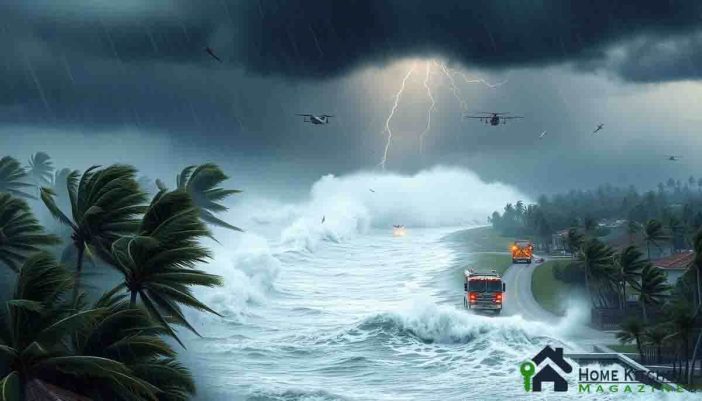
How to Stay Safe During a Hurricane by knowing exactly what to do when disaster strikes. Hurricanes are among the most powerful and destructive natural disasters, bringing fierce winds, heavy rains, and devastating storm surges. Without proper preparation and awareness, lives and property can be at serious risk. Whether you live in a hurricane-prone area or are visiting during storm season, understanding the right safety measures can mean the difference between survival and catastrophe.
Imagine the sky turning dark, winds howling like a freight train, and water levels rising dangerously fast. In the chaos of a hurricane, every second counts, and knowing the right steps to take can save you and your loved ones. From securing shelter to avoiding deadly floodwaters, having a survival strategy is crucial. In this guide, we’ll cover essential tips on how to stay safe during a hurricane, so you can protect yourself, your family, and your home when nature unleashes its fury.
How to Stay Safe During a Hurricane
Understanding Hurricane Warnings and Alerts
When it comes to hurricanes, staying informed is your first line of defense. Familiarize yourself with the different types of hurricane alerts and what they mean:
- Hurricane Watch: Issued when hurricane conditions are possible within 48 hours. This is the time to review your hurricane preparedness plan and gather supplies.
- Hurricane Warning: Issued when hurricane conditions are expected within 36 hours. It’s time to complete your preparations and take immediate action to ensure your safety.
Understanding these alerts helps you act swiftly and appropriately when a hurricane is approaching.
Monitor Weather Updates and Alerts
One of the most critical steps during a hurricane is staying informed. Meteorologists use advanced tracking systems to predict hurricanes, and their updates are vital. Make sure to:
- Listen to the National Weather Service (NWS) or your local emergency management agency.
- Use a battery-powered radio if electricity goes out.
- Enable emergency alerts on your smartphone for real-time updates.
- Follow reliable sources like NOAA (National Oceanic and Atmospheric Administration) or FEMA (Federal Emergency Management Agency).
Preparing an Emergency Kit
Having a well-stocked emergency kit can be a lifesaver during a hurricane. Ensure your kit includes:
- Water: At least one gallon per person per day for at least three days.
- Non-perishable Food: A three-day supply of food that doesn’t require cooking.
- Medications: A week’s supply of prescription and over-the-counter medications.
- First Aid Kit: Bandages, antiseptic wipes, and other essentials.
- Important Documents: Copies of insurance policies, identification, and bank records in a waterproof container.
- Tools and Supplies: Flashlight, batteries, multi-tool, and a battery-powered or hand-crank radio.
- Personal Items: Toiletries, clothing, and bedding.
Being well-prepared with an emergency kit ensures that you have the essentials to survive the initial impact of the storm.
Fortifying Your Home
Protecting your home from hurricane damage involves taking several important steps:
- Install Storm Shutters: These provide strong protection for windows and doors.
- Secure Loose Items: Bring outdoor furniture, trash cans, and other loose items indoors to prevent them from becoming dangerous projectiles.
- Trim Trees and Shrubs: This reduces the risk of branches causing damage during strong winds.
- Reinforce Garage Doors: Ensure they can withstand high winds by installing braces or replacing them with hurricane-resistant doors.
Fortifying your home not only minimizes damage but also keeps you and your family safe during the storm.
Follow Evacuation Orders Immediately
Authorities issue evacuation orders for a reason. If you are in an area under a mandatory evacuation order:
- Leave as early as possible to avoid traffic congestion and worsening weather conditions.
- Take your emergency kit, including medications, important documents, and essential supplies.
- Evacuation Orders: Follow official evacuation orders promptly to avoid getting caught in dangerous conditions.
- Evacuation Routes: Familiarize yourself with local evacuation routes and have a plan for where you’ll go.
- Safe Sheltering: If you’re staying home, identify a small, windowless, interior room or hallway on the lowest level of your home as your safe space.
- If you don’t have transportation, contact local officials for assistance.
Ignoring evacuation orders can put your life and the lives of first responders at risk.
Find a Safe Place to Shelter
If evacuating isn’t an option, seek shelter in the safest place available. Here’s what to do:
- Stay indoors and away from windows, as flying debris can cause serious injuries.
- Take refuge in a small, windowless room on the lowest floor, such as a bathroom or closet.
- If you’re in a high-rise building, go to lower floors but avoid basements due to flooding risks.
- Use mattresses, blankets, or helmets to protect yourself from potential structural collapses.
- Use Flashlights: Avoid using candles to prevent fire hazards.
- Monitor Alerts: Keep a battery-powered radio or NOAA weather radio on hand to receive updates and alerts.
Following these tips helps you stay safe while riding out the storm.
Secure Doors and Windows
Once inside, ensure your home is as protected as possible:
- Close all windows, doors, and hurricane shutters. If you don’t have shutters, use plywood to cover windows.
- Seal gaps under doors to prevent water from entering.
- Reinforce garage doors, as they are often vulnerable to strong winds.
Even if you think your house is sturdy, never underestimate the power of a hurricane.
Avoid Using Electronics
Power surges and lightning strikes during hurricanes can damage electronics and cause fires. To stay safe:
- Unplug all non-essential appliances.
- Avoid using landline phones, as they can conduct electricity during storms.
- Use battery-powered flashlights instead of candles to reduce fire hazards.
If possible, charge your devices beforehand so you can communicate during power outages.
Beware of Flooding and Rising Waters
Water is one of the most dangerous aspects of hurricanes. Even a few inches of moving water can knock you down, and two feet can sweep away most vehicles. Here’s how to protect yourself:
- Never walk or drive through floodwaters. Hidden debris, sinkholes, or strong currents could be deadly.
- Avoid low-lying areas where water accumulates quickly.
- Move to higher ground if your home starts flooding.
- If trapped in rising water, call 911 or get to the highest level of the building.
Flooding is one of the most dangerous and destructive effects of a hurricane, often causing more damage than the storm itself. Knowing how to prevent flooding in and around your home can reduce risks and keep your property safe when heavy rains and storm surges hit. Simple steps like improving drainage, using sandbags, and sealing entry points can make a big difference in protecting your home from rising waters.
Be Cautious with Generators and Gas Appliances
During power outages, many people rely on generators, propane stoves, and gas heaters. However, these devices can be deadly if not used properly:
- Keep generators outdoors and away from windows and doors to prevent carbon monoxide poisoning.
- Never run a generator inside your home, garage, or basement.
- If using gas appliances, check for leaks and always ensure proper ventilation.
- Install carbon monoxide detectors to warn you of dangerous fumes.
Carbon monoxide poisoning can be fatal, so never take risks with gas-powered equipment.
Keep Emergency Contacts Ready
Having access to emergency numbers can save your life. Ensure you have:
- Contact information for local emergency services, hospitals, and shelters.
- A list of family members, neighbors, and friends you can check in with.
- A waterproof written copy of important numbers, in case your phone dies.
If you lose communication, use text messages instead of calls since they use less bandwidth.
Watch Out for Tornadoes
Many hurricanes produce tornadoes, which can cause even more destruction. To protect yourself:
- Listen for tornado warnings during the hurricane.
- If a tornado forms, go to the lowest floor, away from windows.
- Use a helmet or thick blankets for added protection.
Tornadoes can form with little warning, so stay alert throughout the storm.
Stay Away from Windows and Glass Doors
High winds and flying debris make windows and glass doors extremely dangerous. To stay safe:
- Keep curtains and blinds closed to reduce the risk of glass shattering inward.
- Move furniture and valuables away from windows.
- Stay in an interior room until the storm completely passes.
Even if the wind dies down, do not assume the storm is over. The eye of the hurricane is calm, but the storm’s second half can be just as intense.
Avoid Drinking Contaminated Water
Hurricanes can disrupt water supplies, making tap water unsafe. To prevent illness:
- Drink only bottled, boiled, or disinfected water.
- Avoid using tap water for cooking, brushing teeth, or washing food unless authorities say it’s safe.
- If necessary, purify water using household bleach (add 1/8 teaspoon per gallon and wait 30 minutes before drinking).
Contaminated water can carry diseases, so always prioritize safety.
After the Hurricane: Recovery and Safety
Once the hurricane has passed, it’s time to assess and recover:
- Wait for Official Clearance: Only leave your safe space or return home when authorities say it’s safe.
- Check for Damage: Inspect your home for structural damage, gas leaks, and electrical hazards.
- Avoid Floodwaters: Stay away from floodwaters as they can be contaminated and dangerous.
- Seek Assistance: Reach out to local disaster relief organizations for support and resources.
Taking these steps ensures a safer and smoother recovery process.
Final Thoughts
Surviving a hurricane isn’t just about luck—it’s about preparation, quick decision-making, and staying informed. How to stay safe during a hurricane comes down to understanding the risks, following official warnings, and taking the right actions at the right time. Whether it’s seeking shelter, avoiding floodwaters, or staying updated with emergency alerts, every step you take can make a difference.
No one can stop a hurricane, but you can control how you respond to it. By staying calm, prepared, and alert, you can protect yourself and your loved ones from harm. The more you know and plan ahead, the better your chances of weathering the storm safely. Stay vigilant, stay informed, and most importantly, stay safe.