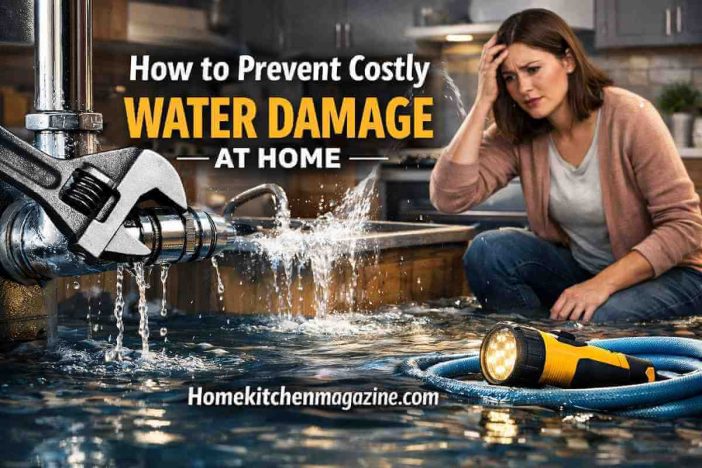
💧 How to Prevent Costly Water Damage at Home – A Calm, System-Based Guide to Protect Your Property Before Problems Appear
In real homes, water damage almost never starts dramatically.
It starts quietly—through a slow leak, a tired seal, or a pressure imbalance no one checks.
After reviewing maintenance logs and inspection notes, one pattern is consistent:
The most expensive water damage isn’t sudden. It’s ignored.
Preventing water damage is not about panic or emergency gear. It’s about systems that notice problems early and routines that keep water under control. This article breaks down how to do that—clearly, calmly, and effectively.
What Makes Water Damage So Costly?
Water moves. And when it does, it rarely stays contained.
Costly damage typically involves:
- Structural materials absorbing moisture
- Mold conditions developing out of sight
- Electrical components exposed to humidity
- Insurance claims complicated by delayed discovery
Once water spreads beyond the source, repair costs escalate quickly.
The Prevention Framework: Stop, Detect, Control
Effective prevention rests on three layers:
- Stop water where it shouldn’t flow
- Detect leaks before they spread
- Control pressure and exposure over time
Homes that apply all three experience far fewer major losses.
Core Systems That Prevent Costly Water Damage
1. Leak Detection Systems (Early Warning Matters)
Why it matters:
The difference between a minor repair and a major renovation is often time to detection.
What Works Long Term
- Sensors in high-risk areas (under sinks, appliances, basements)
- Alerts that don’t rely solely on constant app monitoring
- Battery-backed or low-maintenance devices
What Fails
- Single-point detectors
- Devices homeowners forget to check
- Overly complex dashboards that go ignored
Practical Tip: Pair leak detection with your essential home maintenance checklist so sensors are tested routinely.
2. Automatic Water Shut-Off Valves
Why it matters:
Detection alone doesn’t stop damage. Shut-off valves do.
Long-Term Benefits
- Immediately stops flow during leaks
- Reduces structural exposure
- Improves insurance confidence
Homes with automatic shut-off systems consistently show lower loss severity in water-related incidents.
3. Plumbing Maintenance & Aging Components
Why it matters:
Most leaks originate from wear, not failure.
Preventive Actions
- Replace aging hoses and connectors
- Inspect seals at fixtures and appliances
- Watch for corrosion and mineral buildup
Expert Insight:
Replacing a $20 hose proactively often prevents thousands in damage later.
4. Water Pressure Regulation
Why it matters:
Excessive pressure stresses every joint in the system.
What to Check
- Pressure regulator functionality
- Consistent readings at fixtures
- Sudden changes after utility work
Pressure issues quietly accelerate leaks—especially in older homes.
5. Appliance-Related Water Risks
High-risk appliances include:
- Washing machines
- Dishwashers
- Refrigerators with water lines
- Water heaters
Checklist Focus:
- Inspect hoses and drains
- Ensure proper leveling
- Replace components on schedule
Maintenance Habits That Keep Water Damage Small
Technology helps—but habits matter more.
High-impact routines:
- Quarterly visual inspections
- Annual pressure checks
- Event-based reviews after storms or renovations
Related Post: How Often Home Safety Systems Should Be Checked
Expert Insight: What We See in Water-Safe Homes
Across inspections and reviews, homes with minimal water damage share three traits:
- Leaks are detected early
- Water flow can be stopped quickly
- Maintenance is documented, not assumed
Water safety is less about gadgets and more about response time.
Practical Tips to Reduce Water Risk Without Overengineering
- Start with detection in high-risk zones
- Add shut-off capability where feasible
- Keep maintenance simple and repeatable
- Log inspections and replacements
Complex systems fail when homeowners stop using them.
FAQ – People Also Ask
What is the most common cause of water damage at home?
Slow leaks from plumbing connections and aging hoses are the most common—and most preventable.
Are water leak detectors worth it?
Yes, when they are placed strategically and checked regularly.
How can I tell if I have a hidden leak?
Unexplained increases in water bills, musty odors, or pressure changes are common indicators.
Does preventing water damage affect home value?
Indirectly, yes. Homes with fewer moisture issues retain condition, insurability, and buyer confidence.
Reference
- References to widely accepted guidance from insurance loss-prevention resources and home inspection standards to reinforce best practices
Wrapping Up: Water Damage Is a Timing Problem
Water damage becomes costly when time is lost.
Prevention works when systems notice early, respond quickly, and are maintained consistently.
A calm, system-based approach doesn’t just reduce risk—it makes problems predictable and manageable.
That’s how homes stay dry, safe, and valuable over time.