
Foods That Should Not Be Microwaved — the phrase echoed in my mind one quiet morning as I stood in the kitchen, staring at the soft hum of a microwave warming yesterday’s coffee. It’s a familiar ritual for many of us: press a button, wait a minute, and life moves on. Yet behind that gentle whirl of convenience lies a world of overlooked risks, strange reactions, and food behaviors that most people never see — until something explodes, burns, or tastes strangely wrong.
That morning, as the cup rotated in slow circles, I remembered the stories: eggs bursting like tiny grenades, sauces splattering like abstract art, plastic containers warping under invisible pressure. It made me wonder how many everyday foods hide dangers once exposed to microwave heat — dangers subtle enough to ignore, but real enough to harm.
So, this is that story — a journey into the foods that should never meet a microwave, not because of superstition, but because science, safety, and a few hard-earned kitchen disasters say so.
Foods That Should Not Be Microwaved
1. Eggs in Their Shell
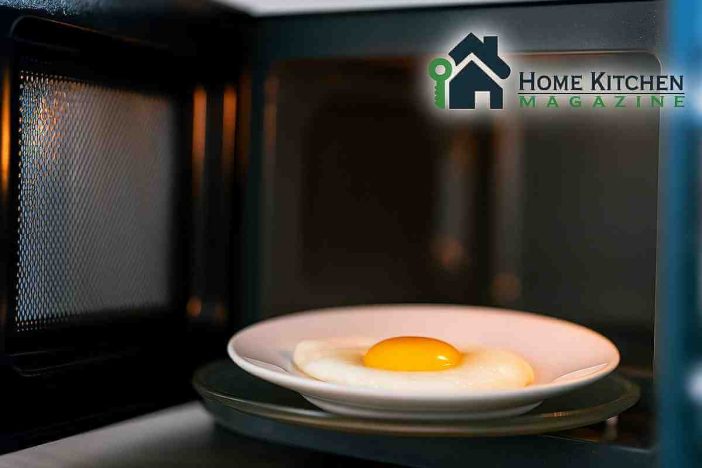
Microwaving whole eggs (raw or hard-boiled) is a well-known hazard. As heat builds up inside the shell, steam pressure forms rapidly — but has no escape route.
Result:
🔸 The egg can explode inside the microwave or after you remove it, creating a hot, dangerous mess.
Safer alternative:
Peel the egg, cut it into smaller pieces, and warm it gently on the stovetop if necessary.
2. Frozen Meat
Microwaves heat food unevenly. Frozen meat often becomes partially cooked on the outside while still frozen in the center.
Why this is dangerous:
🔸 Uneven heating allows harmful bacteria to survive.
🔸 The outer layers begin cooking prematurely, resulting in poor texture and unsafe food.
Safer alternative:
Defrost meat overnight in the refrigerator or use your microwave’s dedicated defrost setting — then finish cooking it thoroughly on a stovetop or oven.
Proper food safety doesn’t stop at cooking — it begins with storage. When discussing frozen meat and uneven microwave heating, it’s helpful to guide readers toward topics like how to store mushrooms, which explains long-term preservation techniques to keep ingredients fresh, safe, and flavorful.
3. Breast Milk and Baby Formula
Health agencies strongly advise against microwaving breast milk or formula.
Risks include:
🔸 Hot spots that can burn a baby’s mouth and throat
🔸 Uneven heating
🔸 Potential nutrient degradation
🔸 Chemical leaching if plastic bottles are used
Safer alternative:
Use warm water, a bottle warmer, or place the bottle in a bowl of hot water.
4. Grapes
Several studies show that microwaving grapes — even when cut in half — can create intense pockets of energy.
This can lead to:
🔸 Small bursts of plasma (tiny fire-like arcs)
🔸 Potential microwave damage
🔸 Smoky smells or burn marks
Safer alternative:
Avoid microwaving grapes entirely.
5. Hot Peppers
Microwaving chili peppers can cause the release of capsaicin, the compound responsible for the heat in peppers.
When vaporized, capsaicin acts like pepper spray.
Possible effects:
🔸 Burning eyes
🔸 Coughing
🔸 Throat irritation
🔸 Irritated skin
Safer alternative:
Heat peppers on a stovetop, where vapors can escape safely.
6. Sauces and Thick Liquids
Sauces, especially tomato-based ones, create hot pockets beneath the surface. As steam builds up, the pressure forces the sauce to burst.
Risks:
🔸 Painful splatters
🔸 Microwave mess
🔸 Potential burns
Safer alternative:
Warm sauces on a stovetop and stir frequently.
7. Plain Water (Superheating Risk)
Microwaving water without any impurities (like a spoon or tea bag) can cause superheating — water heats past its boiling point without visible bubbles.
Once disturbed, it can erupt violently.
Risks:
🔸 Explosive boiling
🔸 Severe burns
Safer alternative:
Use a kettle or insert a wooden stick/coffee stirrer before microwaving.
8. Processed Meats
Microwaving bacon, sausages, hot dogs, and other processed meats can create harmful chemical by-products.
Studies show:
🔸 Microwave heating may increase certain oxidized cholesterol compounds (linked to inflammation).
🔸 Processed meats can spark or crackle due to uneven fat distribution.
Safer alternative:
Use an oven, air fryer, or stovetop pan.
9. Plastic Containers and Styrofoam
Many plastic containers labeled “microwave safe” only mean they won’t melt — not that they’re safe for your health.
Research shows microwaving plastic can release:
🔸 Microplastics
🔸 PFAS (“forever chemicals”)
🔸 BPA
🔸 Phthalates
These may transfer into food, especially fatty or acidic dishes.
Styrofoam can melt and leach chemicals into food as well.
Safer alternative:
Use glass or ceramic containers exclusively for reheating.
10. Aluminum Foil or Any Metal
Metal reflects microwaves instead of absorbing them. Thin metal (like foil) can heat rapidly and spark.
Risks:
🔸 Fire hazards
🔸 Damage to the microwave
🔸 Burnt food
Safer alternative:
Remove all foil and metallic packaging before reheating.
Final Thoughts
Microwaves are safe when used correctly — but the foods above can lead to hazards ranging from chemical exposure to explosions. By understanding how microwaves work and knowing which items to avoid, you can protect your health, your home, and your appliance.

