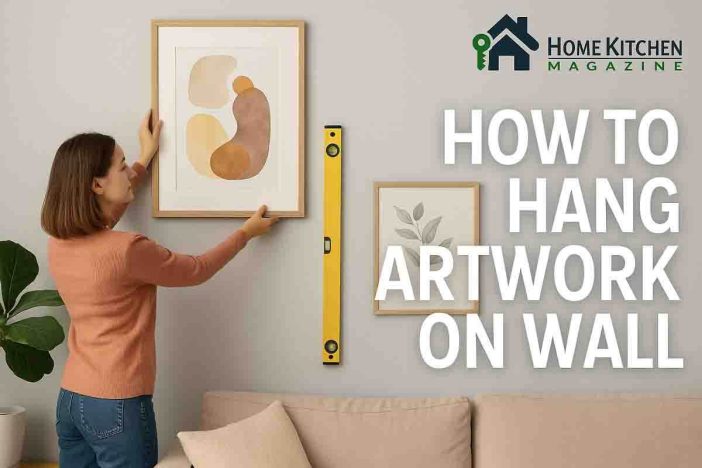
Artwork can transform a blank wall into a conversation piece, a source of inspiration, or simply a reflection of your personality. But if you don’t know how to hang artwork on wall correctly, you might end up with a cluttered space, crooked frames, or worse—damaged walls.
In this guide, you’ll learn the right techniques, layout rules, tools, and design insights to hang art beautifully and safely in your home. Whether you’re working with one canvas or creating a gallery wall, we’ll walk you through every step with confidence.
Why Proper Artwork Placement Matters
Hanging artwork isn’t just about filling empty space—it’s about elevating a room’s aesthetic and creating emotional impact. Poorly hung pieces can throw off visual balance, while well-placed art can:
- Make a room feel larger, brighter, or cozier
- Emphasize focal points (sofas, beds, mantels)
- Reflect your taste, interests, and creativity
- Increase property value (yes, really—especially for staged homes)
According to a 2024 Houzz Interior Trend report, over 70% of homeowners who recently renovated their living rooms opted to include curated wall art as a centerpiece.
How to Hang Artwork on Wall the Right Way
1. Measure and Plan Before You Drill
Before you grab a hammer, take the time to plan your layout properly. Measurement is everything.
✅ Eye-Level Rule
The center of your artwork should be around 57 to 60 inches from the floor—this is considered average eye level and is recommended by galleries and interior designers alike.
Pro tip: If you’re hanging art above furniture, like a sofa or bed, the bottom of the frame should be 6 to 8 inches above the furniture.
📏 Sizing Matters
- Small artwork (under 24 inches): best for narrow walls or grouped in sets
- Medium artwork (24–48 inches): great as a focal point or anchor
- Large artwork (over 48 inches): needs enough space to breathe; center it on the wall or anchor it to a room feature like a fireplace.
2. Create a Visual Layout Before Committing
Sketch or lay out your art on the floor first—or better yet, use painter’s tape on the wall to create mock frames. This helps avoid guesswork and wall damage.
🖼️ For a Gallery Wall
- Keep spacing consistent: 2–3 inches between frames
- Align either the top, bottom, or center for a cohesive feel
- Mix sizes and orientations, but maintain balance
Use free apps like Canva Wall Planner or Artfully Walls Try on Wall to visualize your layout virtually.
Just like organizing small kitchens, creating a visually balanced art layout requires intentional spacing and thoughtful placement. See also our guide on small kitchen organization ideas.
3. Choose the Right Hardware for the Job
Not all walls or frames are created equal. Choosing the right mounting tools can save your walls—and your art.
| Frame Weight | Best Hanging Tool | Notes |
|---|---|---|
| Light (<5 lbs) | Command strips or sawtooth hangers | Great for renters |
| Medium (5–20 lbs) | Picture hooks or wall anchors | Use a level for precision |
| Heavy (>20 lbs) | Wall anchors with screws or french cleats | Drill into studs if possible |
For drywall, avoid just using nails—over time, gravity and humidity will tear them out.
4. How to Hang Artwork on Wall: Step-by-Step Guide
Let’s walk through the exact process to ensure perfect results.
🛠️ You’ll need
- Measuring tape
- Pencil
- Level or laser level
- Hanging hardware (strips, hooks, anchors)
- Hammer or drill
📌 Steps
- Mark the center of the artwork on the back of the frame.
- Determine height using the 57–60 inch rule or based on furniture.
- Mark wall at target height with a pencil.
- Use a level to ensure your marks are straight.
- Install the hanging hardware based on frame weight.
- Hang and adjust carefully, making sure it’s flush against the wall.
Bonus: Add adhesive bumpers on frame backs to prevent wall scratches and keep art aligned.
5. Room-by-Room Hanging Tips
Each room has its own aesthetic needs and functional limitations. Here’s how to adapt your approach:
🛋️ Living Room
- Hang above the sofa: center the artwork and keep the bottom 6–8 inches above
- Use a large focal piece or structured gallery layout
🛏️ Bedroom
- Place above the headboard or nightstand
- Use calming or personal imagery, preferably framed in soft tones
🍽️ Dining Room
- Center at eye level
- Choose pieces that invite conversation but don’t overpower the space
🧱 Hallway
- Narrow spaces benefit from vertical arrangements
- Ensure good lighting (natural or spotlighting).
6. Common Mistakes to Avoid
Avoiding these pitfalls can dramatically improve how your artwork is perceived:
| Mistake | Why It’s Bad | What to Do Instead |
|---|---|---|
| Hanging too high | Looks disconnected from space | Stick to eye-level rule |
| Uneven spacing in gallery walls | Creates visual chaos | Use templates or tape |
| Using the wrong tools | Damage to walls or falling frames | Match tools to wall type & weight |
| Not considering furniture | Art feels “floating” or misaligned | Relate art to surrounding objects |
| Ignoring lighting | Art loses impact | Use directed lights or place near natural light |
7. Creative Gallery Wall Layouts to Try
Need design inspo? Here are proven layout ideas you can apply today:
🖼️ Grid Layout
Perfectly symmetrical rows and columns. Best for art prints of the same size and style.
🎨 Salon Style
Mix different sizes, shapes, and frame types. Organized chaos that works beautifully with eclectic collections.
➕ Linear Layout
Horizontal line—great for hallways or above long furniture pieces.
8. Bonus: Tools and Products to Make It Easier
If you want precision and efficiency, consider using:
- Hang & Level Tool: marks exact nail positions
- 3M Command Strips: no-damage hanging (great for apartments)
- Laser Level: makes alignment effortless
- D-Ring Hanging Kits: great for larger or framed works
You can find all these tools at your local hardware store or online retailers like Amazon, IKEA, or The Home Depot.
Before drilling holes or applying adhesives, it’s essential to prepare your wall surface properly—just like when you’re choosing a paint roller for a smooth finish.
Frequently Asked Questions (FAQ)
❓How high should I hang artwork on the wall?
Always aim for 57 to 60 inches from the floor to the center of the artwork. If hanging above furniture, keep it 6–8 inches above.
❓Can I hang art without drilling?
Yes, Command Strips or removable hooks can hold up lightweight pieces without damaging your walls.
❓Is it okay to mix frame styles in a gallery wall?
Absolutely. Mixing frames can add texture and personality—just maintain balance in layout and color tones.
Final Thoughts
Learning how to hang artwork on wall correctly is both an art and a science. When done right, it can drastically improve the vibe and energy of your space. From measuring to layout to execution, each step plays a crucial role in achieving a professional, polished result.
So, don’t just eyeball it—plan, measure, and execute with intention. Your walls will thank you!
Want more home styling ideas beyond wall art? Visit the Home Kitchen Magazine homepage for the latest guides, DIY hacks, and interior design inspiration.