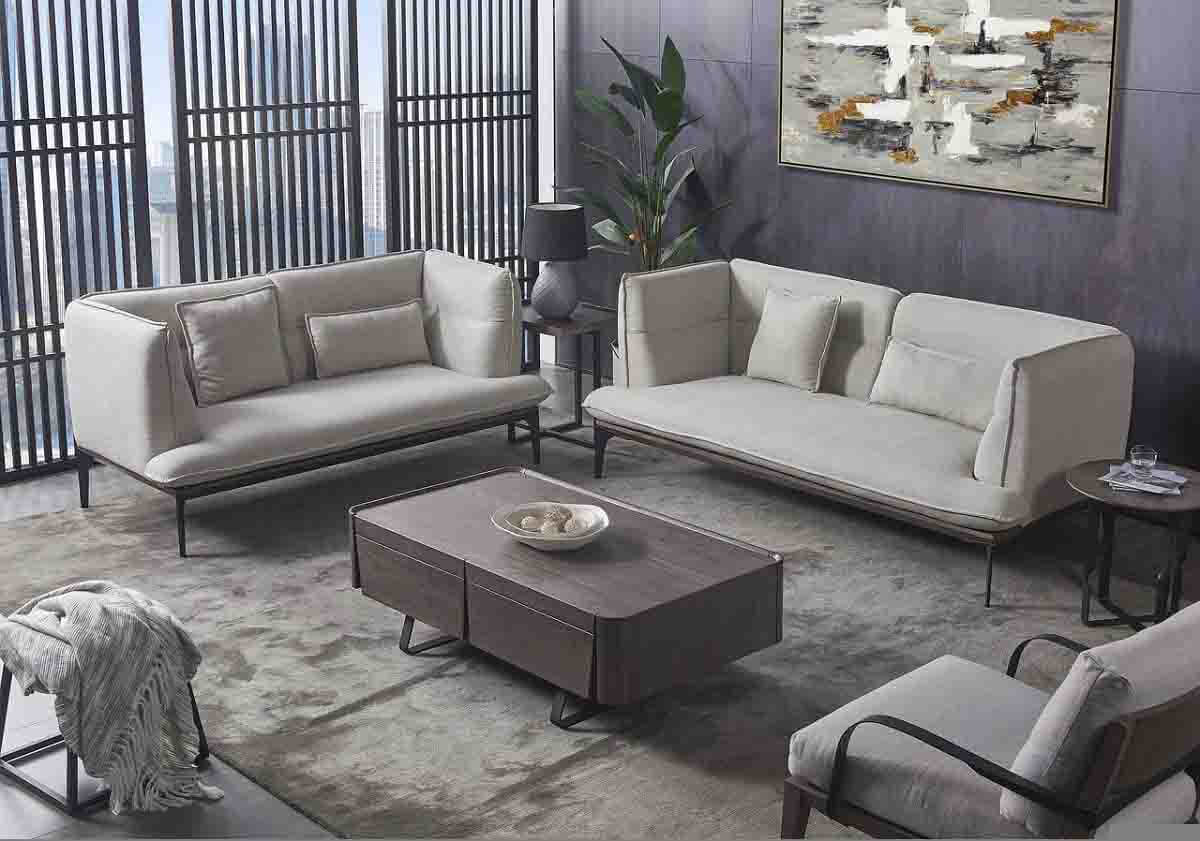
Grey living room — the phrase may sound simple, even ordinary. But step into one, and you’ll quickly realize it carries a quiet power. Walls painted in muted dove, a sofa draped in textured charcoal, or sunlight bouncing off a sleek greige rug — it feels like entering a scene where calm meets sophistication.
Much like a city skyline at dusk, a grey living room doesn’t shout for attention; it whispers, inviting you to stay longer. Interior designers call it the canvas of endless possibility. And homeowners? They call it the safest way to achieve elegance without losing comfort.
The Psychology of Grey in Interior Design
Color psychology plays a huge role in how we feel inside a home. Grey is often associated with:
- Calmness and balance – softer greys reduce stress and create a tranquil vibe.
- Sophistication and elegance – darker shades evoke depth and luxury.
- Neutral adaptability – grey pairs well with warm or cool tones, making it perfect for versatile design schemes.
Unlike stark white, which can feel sterile, or pure black, which can be overpowering, grey sits comfortably in between—inviting yet refined.
Choosing the Right Shades of Grey
Not all greys are the same. Different undertones can change the entire mood of a room:
- Cool Grey (blue undertones) – ideal for modern, airy spaces.
- Warm Grey (beige undertones, “greige”) – cozy and welcoming, perfect for family living rooms.
- Dark Charcoal Grey – bold and dramatic, excellent for accent walls or statement furniture.
- Soft Dove Grey – light and versatile, works well in minimalist or Scandinavian interiors.
👉 Pro Tip: Always test paint samples in natural and artificial lighting. Grey can shift dramatically depending on sunlight exposure.
Pairing Grey with Accent Colors
A grey living room shines brightest when paired with well-chosen accent colors:
- Yellow or Mustard – adds warmth and cheerful contrast.
- Navy Blue or Teal – brings depth and sophistication.
- Blush Pink or Coral – softens the space, adding elegance.
- Emerald Green – evokes freshness and luxury.
- Metallic Accents (gold, brass, silver) – elevate the space with glamour.
Example: A light grey sofa with mustard pillows and a brass coffee table instantly transforms the mood from plain to chic.
Textures: The Secret Ingredient
Grey on its own can feel flat, but textures add richness:
- Velvet or chenille sofas create luxury.
- Chunky knit throws and wool rugs add warmth.
- Concrete tables or metallic décor give an industrial edge.
- Patterned curtains or geometric cushions break monotony.
Mixing textures is key to making your grey living room visually dynamic.
Lighting Matters More Than You Think
Lighting can make or break a grey interior.
- Natural light enhances airy, light greys.
- Warm ambient lighting prevents darker greys from feeling cold.
- Layered lighting (ceiling + floor lamps + wall sconces) creates depth.
- Statement chandeliers add a touch of elegance in contemporary spaces.
👉 If your living room lacks natural light, choose warmer shades of grey and invest in layered artificial lighting.
Grey Living Room Styles You Can Try
1. Modern Minimalist
Neutral grey walls, sleek low-profile furniture, minimal décor—perfect for small spaces.
2. Industrial Loft
Exposed brick + steel accents + dark grey walls = bold urban style.
3. Scandinavian Comfort
Soft greys, natural wood tones, white accents, cozy textiles.
4. Classic Elegance
Dark grey paneling, velvet sofas, crystal chandeliers.
5. Contemporary Chic
Mix of light and dark greys, metallic finishes, bold artwork.
Grey Furniture & Décor Ideas
- Grey sofa as a neutral anchor piece.
- Grey area rugs with subtle patterns for warmth.
- Grey shelving or cabinetry to blend storage seamlessly.
- Grey curtains to frame windows without overpowering them.
- Accent chairs in contrasting fabrics (leather, linen, velvet).
Grey Living Room Layout Tips
- Floating furniture (away from walls) creates a more open space.
- Rugs should anchor the seating area, with front legs of sofas/chairs on the rug.
- Symmetry vs. asymmetry – symmetrical layouts feel formal, while asymmetrical feels relaxed.
- Zoning with color – use different shades of grey to define separate areas.
Common Mistakes to Avoid
- Using only one shade of grey (looks flat).
- Neglecting lighting (grey can look dull in dark rooms).
- Skipping accent colors (results in a lifeless design).
- Overcrowding with bulky grey furniture.
FAQs About Grey Living Rooms
Is grey too cold for a living room?
Not if you balance it with warm textures and accent colors.
Can I mix different shades of grey?
Yes! Layering multiple greys adds depth and interest.
Will a grey living room go out of style?
Grey is timeless—its versatility ensures it adapts to new trends.
How do I make a small grey living room feel bigger?
Use light greys, mirrors, and vertical accents to expand the space visually.
Wrap Up
A grey living room is not just a design trend—it’s a timeless investment in comfort, elegance, and adaptability. With the right shades, textures, and accents, your living room can be both cozy and sophisticated. Whether you prefer minimalist chic or bold glamour, grey offers a versatile foundation to express your personal style.